


Is electrotherapy effective for treating synovitis?

Synovitis is a common condition, most frequently affecting the knee joint—the site with the greatest amount of synovial membrane in the human body—and thus the most susceptible to synovitis. Knee joint synovitis is the most prevalent form; the knee is a critical location for synovial tissue, and the synovium constitutes the largest and most complex component of the articular surface. So, how effective is electrotherapy (electric heat therapy) for synovitis?
Is electrotherapy effective for synovitis?
Electrotherapy is relatively effective for synovitis. Following onset, electrotherapy can yield favorable results; however, it represents only a small component of the overall treatment plan for synovitis. Relying solely on electrotherapy is insufficient—complementary therapeutic approaches are essential. Since synovitis commonly occurs in weight-bearing joints such as the knee and hip, joint immobilization (i.e., minimizing mechanical stress on the affected joint) is mandatory during the acute phase. Concurrently, electrotherapy may be combined with other interventions—including blood-activating and stasis-resolving herbal medications and intra-articular drug administration—to achieve optimal therapeutic outcomes.
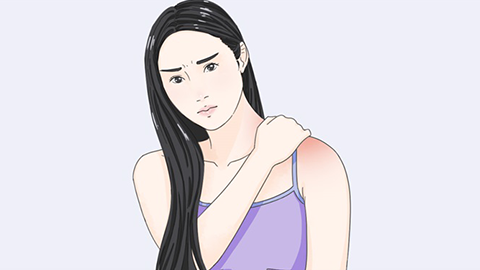
For patients with mild synovitis symptoms, topical treatments—particularly plaster applications—may be employed. These plasters typically contain traditional Chinese herbal ingredients such as musk, achyranthes root (Niuxi), and safflower (Honghua), which effectively alleviate joint inflammation, enhance local circulation, and resolve joint congestion and stasis. Additionally, patients may consume certain therapeutic porridges—such as adzuki bean porridge or Job’s tears (coix seed) porridge—to dispel internal coldness. Regular consumption of these porridges in daily meals can help mitigate synovial inflammation. Patients should also avoid excessively greasy or spicy foods.
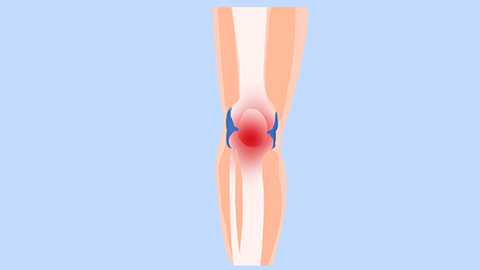
In daily life, patients should maintain disciplined dietary habits—avoiding spicy, stimulating, or overly rich foods, refraining from binge eating, and ensuring adequate sleep to prevent late-night activity. We hope this information proves helpful.


