


Nursing Interventions for Respiratory Failure

In today’s society, some elderly patients are prone to developing respiratory failure, which—when severe—can endanger their lives. What are the nursing measures for respiratory failure?
Nursing Measures for Respiratory Failure
Nursing measures for patients with respiratory failure include the following:
Respiratory system care: Patients often have underlying chronic obstructive pulmonary disease (COPD) and impaired lung function, and may have a history of bronchial asthma. Such patients require attention to airway clearance (e.g., effective sputum expectoration). To strengthen pulmonary function, pursed-lip breathing is recommended—performed twice daily (morning and evening), for 20 minutes each session. Patients frequently present with lower-limb edema; therefore, elevating the legs locally is advised. Adequate hydration should be maintained. During periods of weather fluctuation or abrupt climate changes, outdoor activities should be avoided to prevent respiratory infections. When administering home oxygen therapy, oxygen flow rate must be carefully monitored. For patients with chronic or Type II respiratory failure, low-flow oxygen supplementation is recommended.
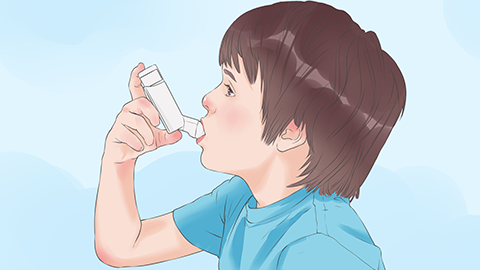
Symptoms of acute respiratory failure include the following: Dyspnea is the earliest symptom of acute respiratory failure. Most patients experience marked dyspnea, initially manifesting as an increased respiratory rate and use of accessory muscles (e.g., intercostal or suprasternal retractions). Cyanosis—a classic sign of hypoxia—may appear on the lips and nail beds. Neurological and mental symptoms may also occur: acute hypoxia can lead to confusion, agitation, coma, or seizures.
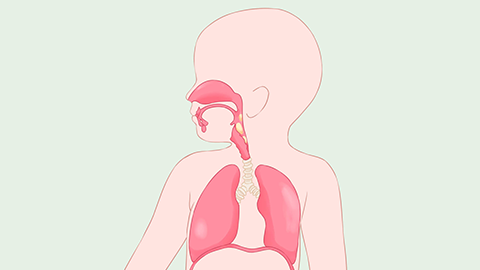
When combined with acute carbon dioxide retention, symptoms may include somnolence, apathy, tremors, and even respiratory arrest. We hope this information proves helpful!


