


Symptoms of Poor Postpartum Uterine Recovery

For women, postpartum uterine involution is critically important. Inadequate recovery may easily lead to complications such as urinary incontinence. If uterine involution is suboptimal after childbirth, prompt medical evaluation and treatment—per a physician’s recommendation—are essential. Additionally, attention to personal dietary habits, lifestyle, and hygiene is vital. So, what are the signs of poor postpartum uterine involution?
Signs of Poor Postpartum Uterine Involution
Early signs typically appear within the first few days after delivery and include inadequate uterine contractions, resulting in increased intrauterine bleeding and prolonged duration of lochia rubra (bloody lochia). Palpation of the lower abdomen reveals a soft, poorly contracted uterus. Some women initially experience normal bloody lochia, but subsequently develop prolonged serous lochia (lochia serosa); later, abnormal vaginal bleeding recurs—this pattern also indicates impaired uterine contractility and involution. Furthermore, retained placental or fetal membrane tissue may persist within the uterine cavity.
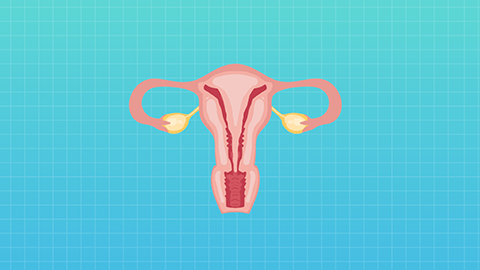
If endometritis develops due to poor personal hygiene or diminished postpartum immunity allowing pathogenic microbial invasion and infection, uterine involution will likewise be compromised. Affected women may present with abnormal vaginal discharge, lower abdominal pain, and fever. Untreated or inadequately managed uterine involution disorders often progress to chronic inflammation, triggering fibroblast proliferation in the myometrium and ultimately leading to uterine fibrosis.
In daily life, patients should maintain a positive mindset, actively cooperate with their physicians’ treatment plans, take prescribed medications on time and in correct dosages, and diligently observe routine self-care measures—thus facilitating timely clinical improvement. We hope this information proves helpful.


