


Will neonatal cerebral edema resolve gradually?

Every family hopes to welcome a baby. However, when newborns develop diseases—such as hydrocephalus or cerebral edema—their conditions can significantly disrupt the normal lives of many families.
Does neonatal cerebral edema resolve spontaneously?
In most cases, neonatal cerebral edema does not resolve spontaneously. Without timely intervention, it may become life-threatening. Treatment targets the underlying cause and varies depending on the specific etiology. General supportive measures include proper positioning, maintaining airway patency, oxygen administration, gastric decompression (to prevent aspiration), close monitoring of vital signs, strict control of intravenous fluid volume, meticulous urine output recording (with fluid intake kept slightly lower than output), and correction of fluid and electrolyte imbalances.
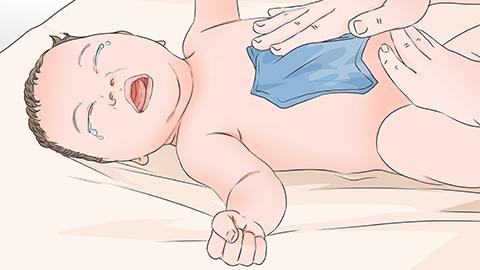
Neonatal cerebral edema is commonly caused by congenital factors, difficult labor, perinatal asphyxia, or acute intrapartum infection. It is a neurological disorder characterized by increased water content in brain tissue, leading to enlargement of brain volume. Potential causes include traumatic brain injury, intracranial space-occupying lesions, intracranial inflammatory conditions (e.g., encephalitis, meningitis, ventriculitis), and cerebral hypoxia.
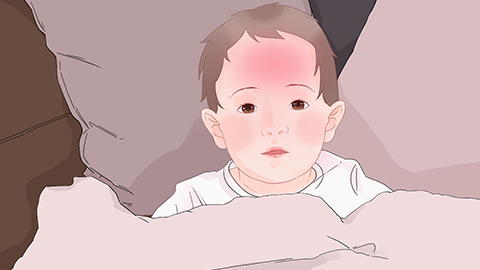
Cerebral edema in newborns typically begins to increase within several weeks after birth. By approximately 3–5 months of age, affected infants often exhibit disproportionate head growth relative to overall development. Clinical signs may include frontal bossing, downward pressure on the orbital rims, downward deviation of the eyes (“sunsetting sign”), resulting in visible sclera above the irises, an enlarged and tense anterior fontanelle, separation of cranial sutures, and prominent scalp veins. We hope this information proves helpful to you!


