


How to cure contact dermatitis permanently

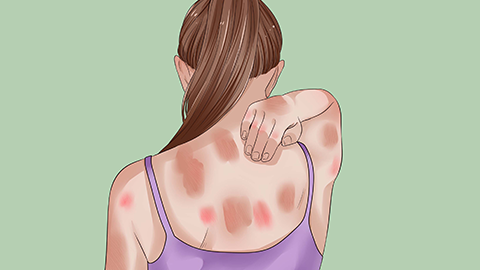
Most people are familiar with dermatitis in general, yet many may be unfamiliar with contact dermatitis—a specific type of dermatitis. So, how can contact dermatitis be effectively treated and cured?
How to Effectively Treat and Cure Contact Dermatitis
Treatment for contact dermatitis includes general measures, topical medications, and systemic drug therapy. First, the physician will identify the causative agent and advise the patient to avoid exposure to irritants and allergens. If contact occurs, the affected area should be immediately rinsed thoroughly with cool running water—never with hot water, which could cause thermal injury. Based on the severity and stage of skin lesions, the physician will select appropriate topical agents. For acute cases with significant oozing and pruritus, calamine lotion or boric acid solution may be applied locally. In chronic cases characterized by dry, thickened skin, black soybean distillate oil ointment or topical corticosteroids—such as fluocinonide acetate cream—may be prescribed.

Since contact dermatitis is an allergic condition, management begins with identifying specific allergens through allergy testing. Patients should minimize or completely avoid exposure to identified triggers, maintain good skin hygiene, refrain from contact with irritating chemicals, avoid hot-water exposure, and prevent local trauma such as scratching. Oral antihistamines—including desloratadine capsules and levocetirizine—may be used; in more severe cases, they may be combined with systemic corticosteroids, such as prednisone acetate tablets or dexamethasone tablets.
In daily life, patients should maintain a positive mindset, actively cooperate with their physicians, adhere strictly to prescribed medication regimens (both dosage and timing), and practice diligent skin care—thereby facilitating prompt clinical improvement. We hope this information proves helpful.


