


What should I do about gum recession affecting my front teeth?

After entering middle and old age, special attention should be paid to dental care, as various dental diseases become more common during this stage. Once gingival recession occurs, it is extremely difficult—regardless of treatment—to restore the gums to their original state; therefore, prevention in daily life is critically important. Everyone should take proactive steps to prevent gingival recession.
What should be done if gingival recession affects the front teeth (incisors)?
For incisors affected by gingival recession, regular visits to a dental clinic are recommended. Professional dental cleaning helps remove dental plaque and calculus adhering to tooth surfaces, thereby inhibiting persistent bacterial growth and effectively reducing the risk of periodontitis—and consequently, minimizing the risk of root exposure caused by gingival recession. Adopting scientifically sound and correct brushing techniques is also essential for preventing gingival recession. Improper brushing methods may not only fail to prevent recession but could even exacerbate it. The Bass brushing technique is recommended, as it effectively removes debris without damaging the teeth or gums. A soft-bristled toothbrush and herbal toothpaste are advisable. Additionally, maintaining healthy dietary habits on weekdays—such as avoiding frequent consumption of spicy or hard foods—is highly recommended.
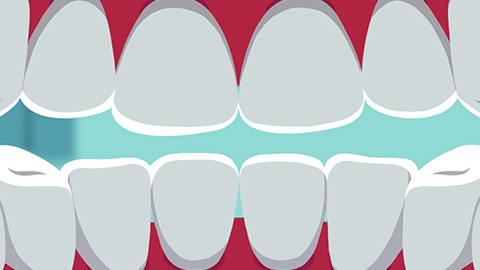
Gingival recession can have multiple causes, including periodontal disease and trauma. Periodontal disease damages the supporting periodontal tissues, leading to the formation of periodontal pockets and progressive loss of periodontal attachment—ultimately resulting in gingival recession and root exposure. If left untreated, the condition may progress further, causing tooth mobility and, eventually, tooth loss. Localized trauma—including occlusal trauma—can also contribute to gingival recession, though such cases represent a relatively small proportion. Individuals suspecting gingival recession should seek prompt medical evaluation.
When symptoms of gingival recession appear in the incisors, patients should seek timely medical evaluation and treatment. We hope this information proves helpful to you.


