


What to Do When an Asthma Attack Occurs

When the weather turns cold or emotional states fluctuate, asthma patients may experience symptoms such as wheezing, shortness of breath, chest tightness, and coughing. In severe cases, they may even feel suffocated. If the condition worsens, it can lead to respiratory system damage and respiratory failure—posing a serious threat to life—and thus requires prompt medical treatment. So, what should you do when an asthma attack occurs?
What to Do During an Asthma Attack
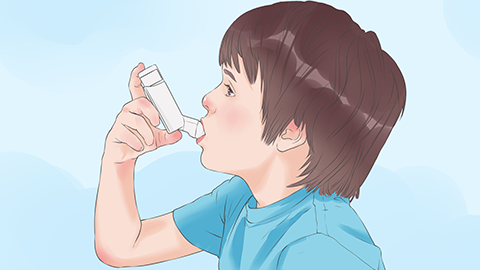
During an asthma attack, medications such as corticosteroids, cromolyn sodium (cromoglicate), and anticholinergics are commonly used. These are currently the most effective drugs for treating asthma; when administered during an acute attack, they reduce airway inflammation, halt bronchospasm, and alleviate associated discomfort. These medications are also suitable for children with asthma. Although their anti-inflammatory effect is weaker than that of corticosteroids, they carry relatively fewer side effects. Additionally, these drugs effectively inhibit contraction of airway smooth muscle, which significantly helps relieve wheezing. Generally, they demonstrate good therapeutic efficacy in patients with chronic bronchitis complicated by asthma, effectively suppressing bronchial spasms and alleviating wheezing symptoms.

Place a pear in a clean container and cure it with coarse salt; consume one on the ninth day of each month. This remedy shows favorable efficacy for elderly asthma patients. Alternatively, simmer purple garlic and rock sugar together in a clay pot with water until it reaches a porridge-like consistency. Take one tablespoon twice daily—once in the morning and once in the evening—for effective symptomatic relief of asthma.
In daily life, cultivating healthy lifestyle and dietary habits is essential. We hope this information proves helpful to you.


