


What should I do if my baby has bowlegs?

In real life, some infants present with bowlegs (genu varum). Since this leg alignment may affect a child’s physical appearance, it often causes significant concern among parents. What should parents do if their infant has bowlegs?
What to Do If an Infant Has Bowlegs
An infant’s “ring-shaped” or bowed legs are clinically referred to as genu varum (O-shaped legs). First, consider whether the infant is experiencing rapid growth, and whether calcium or vitamin D3 deficiency might be impeding normal skeletal development. Parents are advised to take their infant to the pediatric growth and development clinic at a reputable Grade-III hospital for evaluation. Blood tests measuring serum calcium and vitamin A/D levels should be performed. If deficiencies are detected, supplementation with calcium or vitamin A/D may be prescribed for one month, followed by retesting. Once values normalize, timely vitamin D3 supplementation should be initiated to enhance calcium absorption.
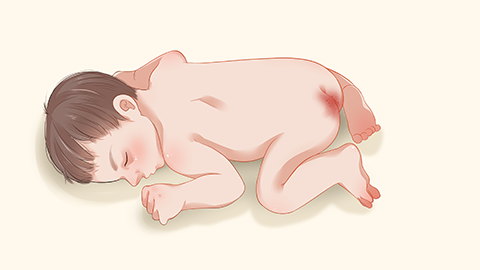
Encourage healthy eating habits—avoid picky eating—and ensure regular outdoor sun exposure to promote natural vitamin D synthesis and calcium absorption. Dietary adjustments can also help: include calcium-rich foods such as yogurt and bone broth. Moreover, mild bowing of the legs is common during infancy and the neonatal period; overlapping of the lower limbs in newborns and young infants is considered physiologically normal. This phenomenon primarily results from two factors: first, the fetal position in utero involves generalized flexion, with the lower extremities—including the calves—naturally bent; second, infants predominantly adopt positions involving mild hip abduction and external rotation of the lower limbs, which may contribute to persistent, temporary bowing.

We hope this information proves helpful!


