


Can individuals with hepatitis B obtain a health certificate?

Hepatitis B is a relatively common condition in daily life. It can adversely affect physical health and is potentially infectious. Can individuals with hepatitis B obtain a health certificate?
Can individuals with hepatitis B obtain a health certificate?
Yes, individuals with hepatitis B may apply for a health certificate provided all relevant health indicators are within normal ranges. Notably, the “five-item hepatitis B serological test” (HBsAg, anti-HBs, HBeAg, anti-HBe, and anti-HBc) has been officially removed from the health certificate application process, as mandated by national regulations prohibiting such testing. Therefore, as long as hepatitis B virus (HBV) carriers demonstrate normal liver function and all other required test results fall within standard reference ranges, they are eligible to apply for a health certificate. HBV carriers must also undergo regular follow-up examinations. Any abnormal findings should be promptly evaluated and managed. In most cases, normal liver function can be effectively maintained, minimizing adverse impacts on personal health.
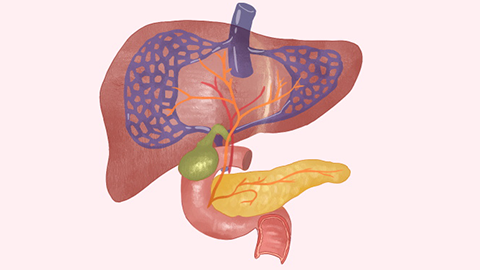
However, the scope of application for health certificates is limited: individuals with hepatitis B are prohibited from working in food service, beauty/cosmetology, or healthcare-related fields. Hepatitis B is a serious chronic infectious disease posing a major threat to public health in China. It may lead to hepatitis, hepatic fibrosis, cirrhosis, and even hepatocellular carcinoma. Primary transmission routes include blood exposure, mother-to-child transmission, and sexual contact. Consequently, in everyday work and study settings, HBV carriers do not transmit the virus to others.

Patients with hepatitis B should undergo regular hospital check-ups and, under medical supervision, take prescribed medications to control disease progression and prevent worsening. They should also ensure adequate rest and sufficient sleep. Dietarily, spicy, stimulating, and seafood-based foods should be avoided. We hope this information proves helpful!


