


Experiencing diarrhea after drinking prenatal milk powder

Some women experience significant physical weakness during pregnancy and turn to prenatal milk formula to supplement their nutritional intake. However, certain individuals may experience adverse reactions—such as diarrhea—after consuming prenatal milk formula. What causes diarrhea following prenatal milk formula consumption?
What Causes Diarrhea After Consuming Prenatal Milk Formula?
There are several possible reasons for diarrhea after drinking prenatal milk formula. One common cause is lactose intolerance: some individuals experience intestinal rumbling or diarrhea after consuming milk or milk-based products, indicating they are unsuitable candidates for regular milk or milk formula. Another possibility lies with the formula itself—if a woman has a known history of lactose intolerance, she should discontinue use and consider switching to an alternative prenatal milk formula specifically formulated for lactose-intolerant individuals.
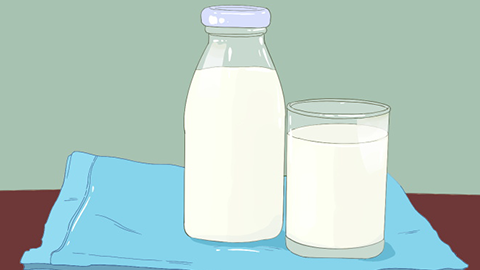
Additionally, gastrointestinal function may change during pregnancy, making women more susceptible to diarrhea—especially when consuming milk formula on an empty stomach or shortly after eating greasy foods. If a pregnant woman cannot tolerate milk or milk formula, she can obtain essential nutrients through a well-balanced diet. This includes high-protein foods such as lean meats, eggs, fruits, vegetables, and calcium-rich foods like fish and seafood.
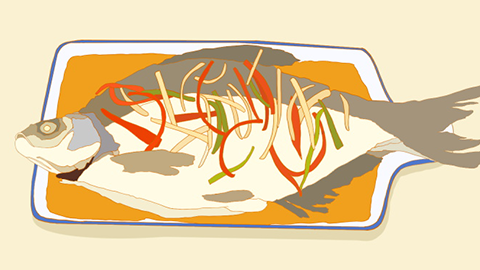
During pregnancy, it is crucial to consume high-quality, protein-rich foods. Adequate rest and sufficient sleep are also essential—avoid staying up late whenever possible. Dietarily, spicy, stimulating, and certain seafood items should be avoided, as they may adversely affect fetal development. Incorporating moderate outdoor physical activity can help strengthen immunity. We hope this information proves helpful!


