


How Should “Confinement Illness” Be Treated?
Aug 11, 2022
Source: Cainiu Health

Dr. Chen Zhe
Introduction
There are many treatment methods for “postpartum illness” (a traditional Chinese medicine term referring to conditions arising after childbirth). Under normal circumstances, pharmacological treatment is typically initiated first, with medications selected according to the specific symptoms and affected body regions. Moxibustion—applying heat via burning moxa (dried mugwort) over various acupoints—can also be employed and often enhances therapeutic efficacy. Additionally, dietary therapy may be used: safflower, su mu (Caesalpinia sappan), eggs, and brown sugar can be boiled together in water; for optimal results, this preparation should be consumed prior to the onset of menstruation.
Many women develop “confinement illnesses” (postpartum disorders) after childbirth due to inadequate self-care during the postpartum recovery period (the “sitting the month” period). How should confinement illnesses be treated?
How to Treat Confinement Illnesses
There are numerous treatment approaches for confinement illnesses. Typically, pharmacological therapy is initiated first, with medications selected based on the specific symptoms and affected body regions. Moxibustion—applying heat via burning mugwort over key acupoints—can also be highly effective in alleviating symptoms.
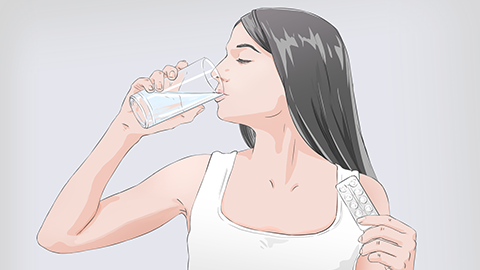
Dietary therapy is another option: simmer safflower, su mu (a traditional Chinese herb), eggs, and brown sugar together in water. For optimal results, this preparation should be consumed before the onset of menstruation.
Psychological support: If you develop a confinement illness, new mothers should avoid excessive worry. Maintaining an optimistic outlook and approaching recovery with a positive mindset significantly enhances healing. Treatment options for confinement illnesses vary widely—including both Traditional Chinese Medicine (TCM) and Western medical approaches, as well as numerous folk remedies. However, in most cases, confinement illnesses cannot be completely cured but only temporarily alleviated. Moreover, each mother’s physical condition is unique. Therefore, it is crucial to take preventive measures during the postpartum period to avoid developing such conditions.
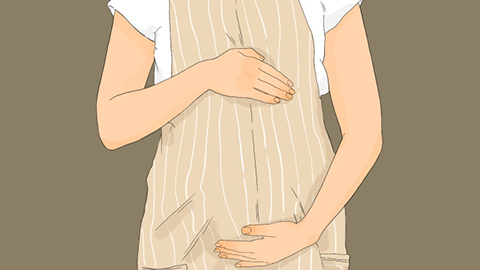
During the postpartum recovery period, maintaining adequate warmth is essential. Additionally, consuming high-quality, protein-rich foods—such as eggs and lean meat—promotes rapid physical recovery. Avoid spicy or irritating foods. We hope this information proves helpful!



