


Postoperative Nursing Measures for Mixed Hemorrhoids

Today, numerous patients suffer from mixed hemorrhoids and often opt for surgical treatment. However, postoperative care is critically important. What are the key nursing measures following mixed hemorrhoid surgery?
Nursing Measures After Mixed Hemorrhoid Surgery
Postoperative care for mixed hemorrhoids requires avoiding spicy and irritating foods—such as chili peppers, tobacco, alcohol, black pepper, coffee, and seafood—as these may cause constipation and hard stools. Straining during bowel movements can tear the surgical wound, significantly impeding healing. Patients should also avoid remaining in one position for prolonged periods to prevent impaired local blood circulation. Sitz baths using a diluted potassium permanganate solution can help reduce wound inflammation and pain. Ma Ying Long Hemorrhoid Ointment may be applied topically to the wound, as it promotes necrotic tissue removal and granulation tissue formation. Dressings must be changed promptly and regularly. Proper postoperative care is essential to ensure rapid wound healing.
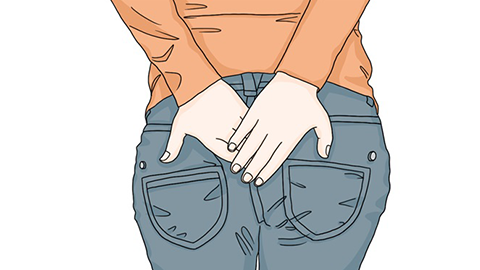
Mixed hemorrhoids are commonly attributed to long-term unhealthy lifestyle habits—including prolonged standing or sitting, frequent smoking and alcohol consumption, and excessive intake of greasy or spicy foods. Genetics may also play a role.
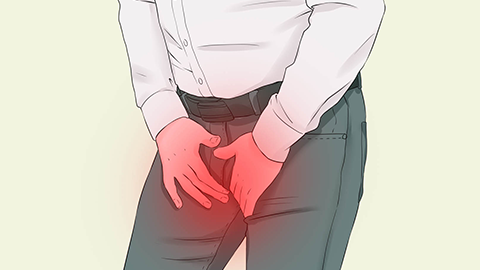
Mixed hemorrhoids often cause perianal pain, constipation, and rectal bleeding. Ma Ying Long Hemorrhoid Suppositories or ointment may be used under medical supervision. Daily gentle cleansing of the anal area with water is recommended. Sitz baths using potassium permanganate solution or herbal decoctions may provide therapeutic benefits. In severe cases, surgical intervention is indicated. We hope this information proves helpful!


