


Which department should I visit for temporomandibular joint arthritis?

When discussing arthritis, many people immediately think of inflammation in the knee joint. Temporomandibular joint (TMJ) arthritis is a condition affecting the temporomandibular joint, caused by structural damage or functional disorders of this joint. In fact, TMJ arthritis commonly occurs in daily life. So, which department should one visit for TMJ arthritis?
Which Department Should One Visit for TMJ Arthritis?
Patients with TMJ arthritis should consult the Department of Stomatology (Dentistry). The primary manifestations include pain and restricted movement of the temporomandibular joint. Most pain is localized anterior to the ear on the affected side, impairing mouth opening and jaw mobility, thereby affecting chewing function. Patients may be unable to bite hard foods, and the pain may radiate to surrounding areas, causing headaches, earaches, and other symptoms. Common pain characteristics include sharp pain, swelling-associated pain, and dull, persistent pain. TMJ arthritis can significantly impact eating and speech, substantially interfering with daily life.
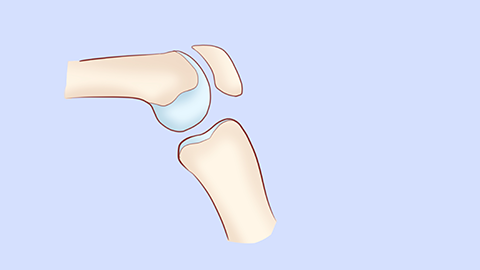
TMJ arthritis may cause pain and swelling. Nonsteroidal anti-inflammatory drugs (NSAIDs), such as ibuprofen (e.g., Fenbid®), can be used to reduce inflammation and relieve pain. Traditional Chinese medicine (TCM) taken orally may also be employed to reduce swelling, alleviate pain, promote blood circulation, and resolve stasis. TCM-based physical therapy is likewise highly effective for TMJ arthritis.
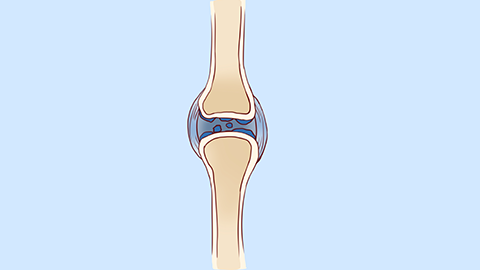
In daily life, patients should maintain regular dietary habits—avoiding spicy, irritating, or excessively rich foods—and refrain from binge eating or staying up late. We hope this information proves helpful.


