


Are premature beats associated with anxiety disorder dangerous?

Cognitive processes or thinking play an extremely important role in the development of anxiety symptoms. Various internal impulses and desires may be difficult for individuals to reconcile with themselves; reactive hostility, strongly suppressed impulses, and conflicting intentions are also common contributors to anxiety. In rare cases, a patient’s anxiety symptoms may stem from physical (organic) factors. So, is premature ventricular contraction (PVC) associated with anxiety disorder dangerous?
Is Premature Ventricular Contraction (PVC) Associated with Anxiety Disorder Dangerous?
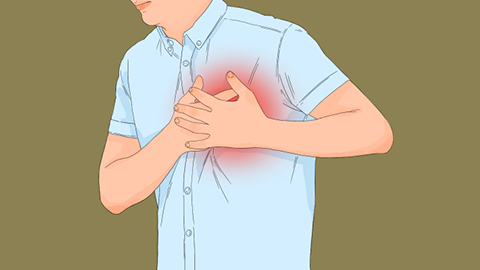
Yes, PVCs occurring in patients with anxiety disorder can be dangerous. Anxiety-induced PVCs may trigger cardiac arrhythmias that, in turn, increase the risk of sudden cardiac death—though the incidence and mortality rates remain relatively low. However, if PVCs—especially recurrent or sustained PVCs—are left untreated, they can lead to arrhythmias. Without timely intervention for these arrhythmias, malignant arrhythmias may develop, potentially resulting in sudden cardiac death. Therefore, any occurrence of PVCs in patients with anxiety disorder warrants prompt medical attention.

For frequent, multifocal ventricular premature contractions, patients must seek active medical treatment at a hospital. Although the risks of sudden death and disease progression are relatively low, uncorrected PVCs—particularly recurrent or sustained episodes—can precipitate arrhythmias. Without timely management, such arrhythmias may deteriorate into life-threatening malignant arrhythmias.
In daily life, patients should maintain a positive mental outlook, actively cooperate with their physicians’ treatment plans, take prescribed medications regularly and as directed, and pay close attention to routine self-care—so as to facilitate timely clinical improvement. We hope this information has been helpful.


