


What Should One Eat for Yin Deficiency?

Yin deficiency does not occur exclusively in a single organ; rather, any organ may become impaired due to insufficient yin fluids, thereby leading to yin deficiency. Once yin deficiency develops, organ function declines, increasing susceptibility to various diseases—symptoms are often alleviated through dietary adjustments. So, what foods are beneficial for yin deficiency?
What Foods Are Beneficial for Yin Deficiency?
Yin deficiency can be managed through daily dietary therapy focused on nourishing yin and tonifying the kidneys. Additionally, under a physician’s guidance, herbal medicines that tonify the kidneys and strengthen yang may be prescribed. Yin deficiency specifically refers to kidney yin deficiency, commonly triggered by unhealthy lifestyle habits. Affected individuals typically present with general weakness, along with symptoms such as tidal fever (low-grade afternoon or evening fever) and night sweats. In daily diet, foods that nourish yin and tonify the kidneys—such as goji berries (Lycium barbarum), Chinese yam (Dioscorea opposita), and animal livers—may be consumed. These foods help strengthen the kidneys and liver, replenish kidney essence, and alleviate symptoms associated with kidney yin deficiency, including tidal fever and night sweats.
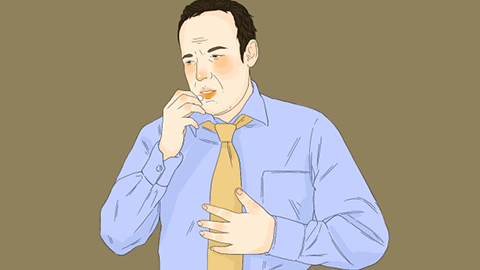
Frequent late-night activity and excessive sexual activity deplete yin fluids, potentially resulting in kidney yin deficiency. Patients may also exhibit signs of deficiency patterns and internal heat. Dietary therapy alone may not yield optimal results. When necessary, under medical supervision, herbal formulas such as Zhībǎi Dìhuáng Wán (Anemarrhena-Phellodendron-Rehmannia Pill), Dà Bǔ Yīn Wán (Great Yin-Enriching Pill), or Qǐjú Dìhuáng Wán (Lycium-Chrysanthemum-Rehmannia Pill) may be prescribed. These traditional Chinese medicines effectively tonify the kidneys and nourish yin without damaging the gastrointestinal system.

In daily life, maintain regular, balanced meals; avoid spicy, stimulating, or overly rich foods, and refrain from overeating or staying up late. We hope this information is helpful to you.


