


Initial Treatment Methods for Onychomycosis

In daily life, onychomycosis (gray nail) is a relatively common condition that can significantly impact an individual’s normal life and work. What are the treatment options for early-stage onychomycosis?
Treatment Options for Early-Stage Onychomycosis
Early-stage onychomycosis is typically managed with a combination of topical and oral antifungal medications. Topical agents include 30% acetic acid solution, amorolfine nail lacquer, and other topical nail solutions applied directly to the affected nail(s). To prevent infection spread, these topical agents may also be applied to adjacent healthy nails. Oral antifungal medications commonly prescribed include terbinafine tablets and itraconazole capsules.
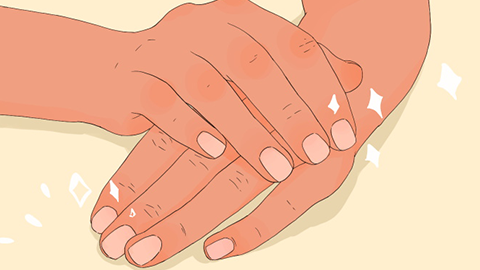
Treatment for onychomycosis generally lasts at least two months, as healing depends on the natural growth rate of the nail—re-growth of a fully healthy nail typically requires a minimum of two months. During treatment, footwear and socks should be disinfected or thoroughly sun-dried; feet should be washed daily, and local hygiene must be maintained.
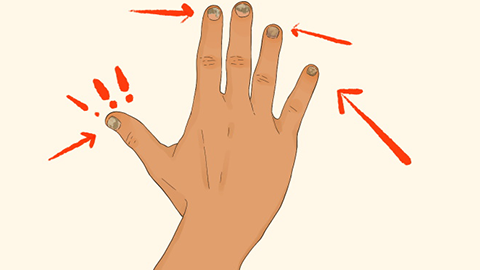
For early-stage onychomycosis, prior to applying medication, the affected nail should first be trimmed using nail clippers or filed down with a nail file. Then, Liangjia Compound Povidone-Iodine Nail Solution should be applied. This preparation is a highly effective treatment for onychomycosis, containing povidone-iodine and aspirin—providing both antibacterial and anti-inflammatory effects while effectively killing dermatophytes and inhibiting fungal recurrence. Treatment should be continued until a new, healthy nail has fully grown out. Alternatively, amorolfine nail lacquer may be used; its active ingredient, amorolfine hydrochloride, possesses mild keratolytic properties and exerts potent antifungal activity. We hope this information proves helpful!


