


What Are the Symptoms and Treatments for Eczema?

Eczema is a relatively common dermatological condition. Many individuals are unaware they have developed eczema. What are the symptoms and treatment options for eczema?
Symptoms and Treatment Options for Eczema
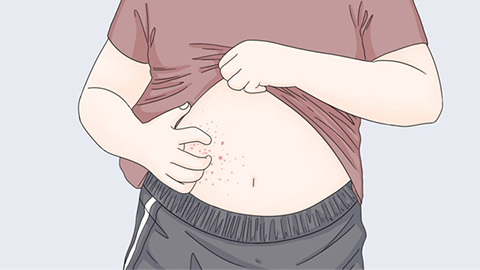
Eczema is an itchy inflammatory skin disorder triggered by various internal and external factors. In its acute phase, it is predominantly characterized by papulovesicles; in the chronic phase, it manifests as lichenified, thickened skin. The hallmark clinical feature of eczema is pruritus (intense itching). Cutaneous manifestations include erythema, papules, papulovesicles, vesicles, scaling, and—due to its tendency toward exudation—the condition is termed “eczema.” Eczema is broadly classified into two main types: acute and chronic; subacute eczema represents merely a transitional stage between these two. During the acute phase, the skin may exhibit erythema, epidermal edema, vesicles, erosion, and oozing. With appropriate treatment, acute eczema may progress to the subacute phase, during which erosion and exudation diminish, and crusting and scaling appear.

The chronic phase typically evolves from the acute phase, although it may also begin with minimal or subtle inflammation. Persistent scratching due to pruritus—or other irritants—can exacerbate skin damage, leading to thickening, infiltration, and lichenification—often resembling leather. As described above, pruritus is prominent across all stages of eczema; however, the specific cutaneous manifestations differ among stages, and thus treatment principles must be tailored accordingly. Patients should first identify and eliminate potential triggers. Oral antihistamines are the first-line therapy for pruritus control; combination therapy with two different antihistamines may be considered for enhanced symptom relief.
During recovery, meticulous local wound care is essential. Patients should avoid contact with water for a short period to prevent worsening of the condition. We hope this information proves helpful!


