


What Foods Can Quickly Tonify Kidney Yang Deficiency in Men?

The kidneys are the foundation of human vitality, and all yang energy in the body originates from them. Thus, once kidney function becomes deficient, symptoms such as chills, cold extremities, pallor, erectile dysfunction, and premature ejaculation may arise—serious health concerns. Therefore, upon noticing any of these signs, timely intervention is essential to restore balance. Although many people resort immediately to medication when ill, nourishing the kidneys requires a long-term commitment—and dietary therapy offers an effective, natural means of recovery. So, what foods can quickly replenish kidney yang deficiency in men?
What Foods Can Quickly Replenish Kidney Yang Deficiency in Men?
Men with kidney yang deficiency may benefit from consuming warming foods, which help tonify kidney yang. Suitable options include warming animal meats such as lamb, venison, and dog meat. Poultry—including pigeon, quail, and chicken—also provides mild warming and kidney-yang–tonifying effects. In general, most seafood is considered “cooling” in nature and may hinder recovery from kidney yang deficiency; thus, it should be avoided or consumed sparingly.
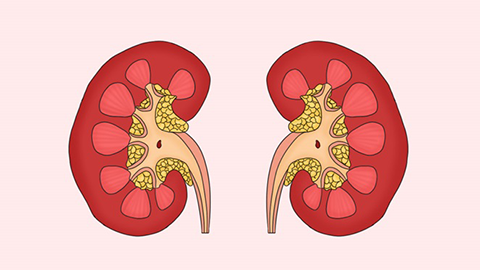
The kidneys thrive on hydration, so drinking ample water is essential. As the kidneys serve as the body’s primary detoxification organ, weakly alkaline water is generally recommended. Alkaline water—or alkaline foods—can assist the kidneys in breaking down harmful acidic byproducts from acid-forming foods, thereby reducing renal workload and enhancing overall kidney function.

In daily life, maintain regular, balanced eating habits: avoid spicy, stimulating, or overly rich foods; refrain from binge eating; and ensure adequate rest—especially by avoiding late-night activities. We hope this information proves helpful.


