


What Causes Night Sweats During Sleep?

Night sweats (nocturnal diaphoresis) caused by kidney yin deficiency require prompt and regular treatment. In daily life, patients should maintain a regular diet, abstain from smoking and alcohol, drink plenty of warm water, and avoid consuming spicy or excessive foods—especially during the National Day holiday period. Currently, Zhizhi Dihuang Wan (Rehmannia Six Formula with Phellodendron and Anemarrhena) may be taken, combined with Ciwujia Xuhanshuang Granules (Acanthopanax senticosus and Prepared Aconite Decoction Granules) for regulatory treatment. So, what causes night sweats during sleep?
What Causes Night Sweats During Sleep?
Nocturnal sweating may result from deficiencies in trace elements or malnutrition. As the body grows and develops, deficiencies in trace elements—such as calcium—may occur. Calcium deficiency can cause sweating not only after meals but also during sleep; it may also manifest as teeth grinding (bruxism), nocturnal leg cramps, or osteoporosis, accompanied by leg pain and muscle weakness. Supplementation with calcium tablets and vitamin D is recommended to enhance calcium absorption. Additionally, patients should consume calcium-rich foods such as sesame paste, dried shrimp, and milk.
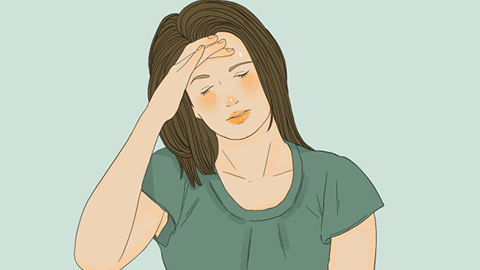
Chronic picky eating or diminished digestive function may impair nutrient absorption, leading to malnutrition, nocturnal muscle weakness (or paralysis), physical debility, and reduced immunity. Patients should adopt a pattern of eating smaller, more frequent meals and regularly consume high-quality protein sources along with fresh fruits and vegetables to support optimal nutritional status.
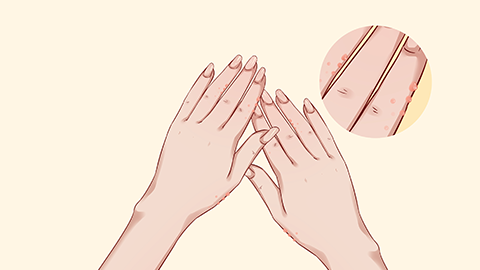
In daily life, patients should maintain a positive mental outlook, actively cooperate with their physicians’ treatment plans, take prescribed medications consistently and as directed, and pay close attention to routine self-care—thus facilitating timely improvement of their condition. We hope this response proves helpful to you.


