


What to Eat for Hot Flashes and Night Sweats

Night sweats (also known as “thief sweats”) is a syndrome in Traditional Chinese Medicine (TCM), primarily characterized by excessive sweating during sleep, which disrupts normal sleep patterns. Causes of night sweats can be broadly categorized as physiological or pathological. Physiological night sweats may be alleviated directly by regulating ambient temperature and humidity, as well as managing emotional stress. However, pathological night sweats require targeted treatment. So—what should one eat for hot flashes and night sweats?
What to Eat for Hot Flashes and Night Sweats
For individuals experiencing hot flashes and night sweats, it is advisable to regularly consume foods that nourish yin, clear heat (fire), moisten dryness, and generate fluids to quench thirst. Typically, hot flashes and night sweats stem from yin deficiency. While qi deficiency and blood deficiency may also cause these symptoms, they are relatively uncommon. Additionally, kidney yin deficiency is another frequent underlying cause of hot flashes and night sweats. Foods that tonify kidney qi—such as black glutinous rice, black beans, and black sesame seeds—may be consumed appropriately. Regular participation in outdoor physical activity is also encouraged to strengthen overall constitution.
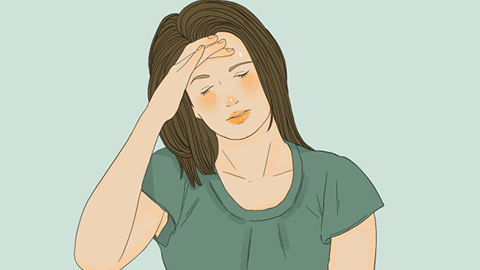
In severe cases, patients may take Liu Wei Di Huang Wan (Rehmannia Six Formula) or Zuo Gui Wan (Left-Returning Pill) under the guidance of a qualified TCM practitioner. Alternatively, Dang Gui Liu Huang Tang (Angelica and Six-Yellow Decoction) or Zhi Bai Di Huang Wan (Anemarrhena, Phellodendron, and Rehmannia Pill) may be prescribed. Patients with hot flashes and night sweats should increase their intake of fresh fruits and vegetables to ensure adequate vitamin intake, while avoiding spicy, greasy, and stimulating foods. A balanced diet is essential. Maintaining a regular daily routine and minimizing emotional fluctuations is also critical. Emotional stability should be actively cultivated—for instance, by listening to soothing music or drinking a glass of cool boiled water to help alleviate hot flashes.
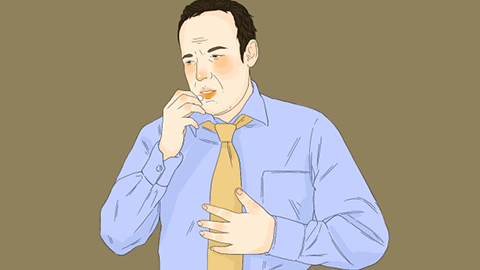
In daily life, dietary habits should be standardized: avoid spicy and stimulating foods, refrain from overeating or binge eating, and eliminate late-night activities (e.g., staying up late). We hope this information proves helpful.


