


Why shouldn’t you tilt your head backward when experiencing a nosebleed?

Nosebleeds are very common; often, they occur immediately after becoming angry or accidentally bumping the nose. If the nosebleed is transient and resolves spontaneously after a short period, most people need not worry—recovery typically occurs gradually without complications. So why should you avoid tilting your head backward during a nosebleed?
Why You Should Not Tilt Your Head Back During a Nosebleed
Tilting your head backward during a nosebleed is discouraged because it causes blood to flow down the back of the throat and be swallowed, potentially leading to discomfort, nausea, or even vomiting. Additionally, avoid stuffing tissues or cotton into the nostrils—this may cause infection or inflammation and hinder recovery. When experiencing a nosebleed, remain calm and avoid excessive anxiety. Practice slow, deep breathing: inhale gently for three seconds, then exhale slowly. For acute nosebleeds, apply a cold compress (e.g., an ice pack) to the bridge of the nose at home—this helps promote blood clotting and reduces bleeding. If ice is unavailable, rinse the nose with cool water.
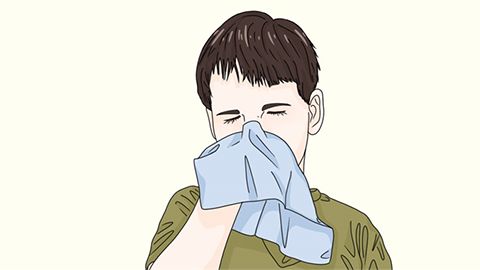
Maintain an appropriate posture to prevent blood from entering the trachea, which could cause choking or aspiration. During a nosebleed, the patient should lean forward slightly or keep the head in a lowered position to allow blood to drain externally. Consume plenty of fresh fruits and vegetables, which are rich in vitamin C and help alleviate autumn-related nosebleeds caused by dry air and increased nasal vascular fragility. Staying well-hydrated and using a humidifier to maintain indoor moisture can also effectively reduce nosebleeds. If nosebleeds are severe or recurrent, consult a healthcare provider promptly to identify the underlying cause and receive appropriate treatment.
In daily life, cultivate healthy lifestyle and dietary habits. We hope this information proves helpful to you.


