


What should I do about mental tension?

In daily life, many people experience mental tension, which requires appropriate interventions for improvement. So, what should one do when experiencing mental tension?
What to Do About Mental Tension
Mental stress can be managed through massage therapy, medication, or psychological treatment. For massage, commonly targeted acupoints include Fengchi (GB20), Baihui (GV20), and Taiyang (EX-HN5) — located on the head, face, and neck. Apply gentle pressure, tapping, holding, or circular kneading techniques for 1–3 minutes per point, ensuring accurate localization of each acupoint. Pharmacological treatment may involve antidepressants and anxiolytics; however, medications must be taken strictly as prescribed by a physician to effectively stabilize mood and alleviate tension. Psychological therapies—such as cognitive-behavioral therapy (CBT)—can help reduce unnecessary mental burdens and foster relaxation skills. When feeling tense, practice timely self-regulation and maintain a positive emotional state.
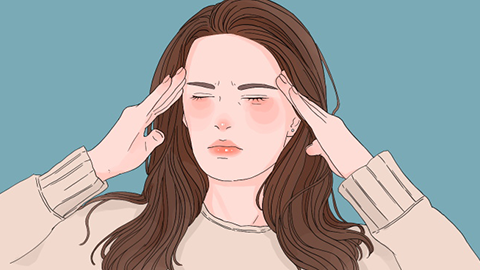
Patients are advised to manage their time wisely, balance work and rest, engage in regular physical activity, and learn effective relaxation techniques to ease mental tension. Excessive tension may trigger symptoms such as palpitations, tachycardia, shortness of breath, or a sensation of suffocation. Some individuals may also experience dizziness, sweating, facial flushing, dry mouth, difficulty swallowing, gastrointestinal discomfort (e.g., nausea, abdominal pain, diarrhea), or increased urinary frequency.
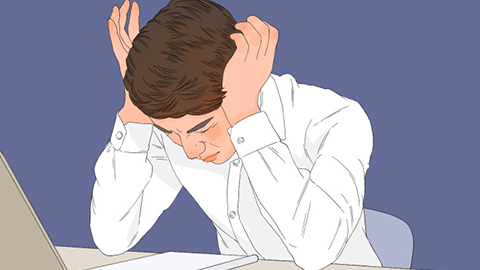
Severe mental tension may also manifest as hypervigilance, poor concentration, panic attacks, or anticipatory avoidance of certain situations. Affected individuals may feel helpless, irritable, conflicted, or excessively worried. Core symptoms of anxiety disorders include persistent worry, fear, apprehension, and anxiety. We hope this information proves helpful!


