


Is Traditional Chinese Medicine (TCM) effective in treating keloids?
The appearance of keloids on the skin can negatively affect one’s physical appearance and even interfere with daily life, posing certain health risks. Some patients opt for Traditional Chinese Medicine (TCM) treatment—how effective is TCM for keloid management?
Is TCM Effective for Keloid Treatment?
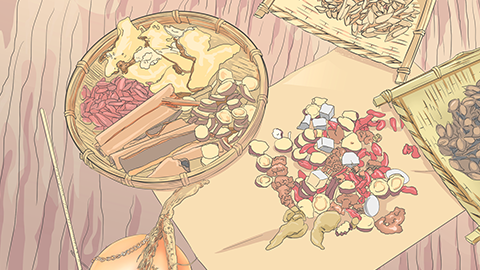
Treating keloids with traditional Chinese herbal medicine is generally considered effective. Herbal formulations can significantly influence skin metabolism and blood supply to nourish the affected area, thereby inhibiting excessive fibroblast proliferation and achieving therapeutic effects. However, this approach typically requires a relatively long treatment duration.
Keloids commonly develop following trauma or infection—acne and insect bites being the most frequent triggers. They tend to occur on areas with thicker skin and higher tension, such as the chest, back, and shoulders. Keloids are more prevalent among younger individuals and rarely appear in older adults. Affected areas often present with pain or pruritus (itching), and vigorous scratching may exacerbate keloid growth.
Keloids frequently impair normal daily functioning. Facial keloids may compromise aesthetic appearance, while those located over joints—such as the hands or wrists—can cause functional limitations and impair limb mobility. Therefore, patients should actively cooperate with their physicians during treatment and avoid scratching the affected area to prevent secondary infection. Dietary adjustments are also important: patients should follow a light, bland diet. We hope this information proves helpful!


