


How much distance between the lower edge and the internal cervical os is considered normal?
Aug 11, 2022
Source: Cainiu Health

Dr. Chen Zhe
Introduction
The lower edge of the placenta is 2 cm away from the internal cervical os, which is considered normal. Placenta previa refers to a condition in which the placenta implants on the lower uterine segment after 28 weeks of gestation, with its lower edge reaching or covering the internal cervical os. Complete placenta previa diagnosed prenatally or partial placenta previa diagnosed postpartum may change as the internal cervical os dilates; therefore, the most recent ultrasound examination should be used as the definitive diagnostic reference for placenta previa.
The fact that the placental lower margin reaches the internal cervical os indicates a low-lying placenta, which can significantly affect the pregnant woman and, in severe cases, even lead to miscarriage. Therefore, it is essential to promptly recognize this condition and pay closer attention to all aspects of daily life to prevent harm to the body. So, what is the normal distance between the placental lower margin and the internal cervical os?
What Is the Normal Distance Between the Placental Lower Margin and the Internal Cervical Os?
A distance of 2 cm between the placental lower margin and the internal cervical os is considered normal. After 28 weeks of gestation, the placenta may attach to the lower uterine segment, and its lower edge may reach or even cover the internal cervical os. In cases of complete placenta previa before delivery and partial placenta previa after delivery, changes may occur due to dilation of the internal cervical os; thus, the most recent ultrasound examination result should be used as the definitive diagnostic reference for placenta previa.
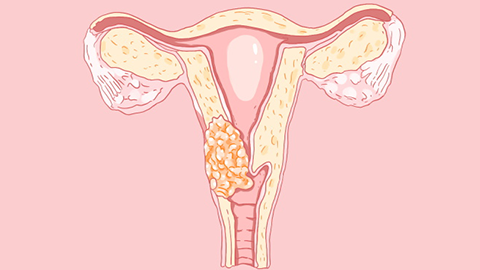
To help prevent a low-lying placenta, attention must be paid to all aspects of pregnancy. First, diet and rest require special attention. Avoid picky eating and ensure adequate intake of various nutrients—including protein, vitamins, calcium, iron, zinc, and others—in balanced proportions. This promotes maternal health and enhances physical resistance, thereby effectively reducing the risk of a low-lying placenta. Additionally, maintain regular sleep schedules—avoid staying up late—and refrain from engaging in heavy physical labor.

In daily life, cultivate healthy habits regarding both lifestyle and diet. We hope this information proves helpful to you.



