


How is early-stage cervical cancer treated?

Increasing numbers of women are choosing to receive the HPV vaccine, as cervical cancer is a highly malignant tumor. Many young women diagnosed with this disease progress to mid- or late-stage disease, rendering it incurable. However, when detected early, cervical cancer responds well to treatment and carries a favorable prognosis. So, how is early-stage cervical cancer treated?
How is early-stage cervical cancer treated?
Early-stage cervical cancer can be managed through surgery, radiochemotherapy, and biological therapy. Each modality offers distinct advantages and is suited to specific clinical circumstances. Surgical resection remains one of the most common treatment approaches for cervical cancer; however, not all patients are candidates for surgery. Early-stage patients constitute the primary group suitable for surgical intervention. Following surgery, comprehensive evaluation—including pathological analysis of the resected specimen—is essential to determine the patient’s individual risk profile. For patients identified as having high-risk factors for recurrence, adjuvant radiochemotherapy is typically recommended postoperatively to reduce recurrence risk and improve long-term outcomes.
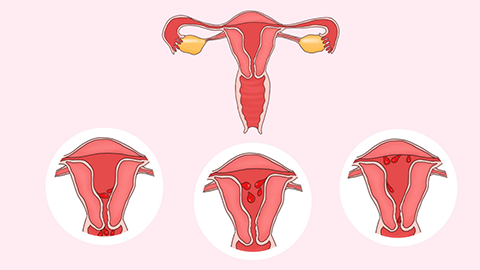
In recent years, chemotherapy techniques for cervical cancer have advanced significantly. This modality plays a pivotal role in cervical cancer management and demonstrates marked efficacy against ovarian malignancies. Nevertheless, every treatment approach has inherent advantages and limitations. Therefore, each modality must be carefully evaluated on a case-by-case basis, with therapeutic decisions tailored to the patient’s specific clinical situation.
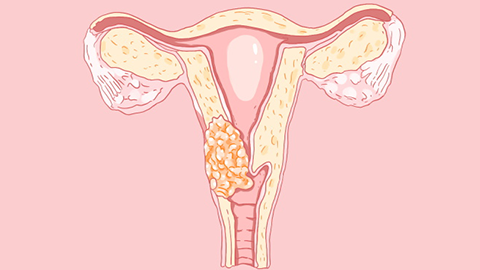
In daily life, maintain a regular, balanced diet—avoid spicy, irritating, or overly rich foods, refrain from binge eating, and ensure adequate rest by avoiding late-night activities. We hope this information proves helpful.


