


What Is the Difference Between Cervical TCT and HPV Testing?

The uterus is the organ where life develops in women. Therefore, women should undergo regular cervical cancer screening. The most commonly used methods are the ThinPrep Cytologic Test (TCT) and human papillomavirus (HPV) testing. So, what are the differences between cervical TCT and HPV testing?
What Are the Differences Between Cervical TCT and HPV Testing?
Cervical TCT is a cytological examination that assesses atypical changes in cervical cells and serves as a primary screening tool for cervical cancer. In contrast, HPV testing detects the presence of pathogenic microorganisms—specifically, high-risk HPV strains such as types 16 and 18. If cancerous cells are identified in the TCT results, the risk of cervical cancer is significantly elevated. However, the absence of cancerous cells in the TCT does not definitively rule out cervical cancer.
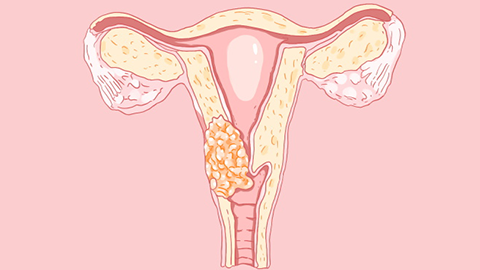
The cervix is one of the most important reproductive organs in women; thus, protecting it is essential. Maintaining good hygiene habits is critical: prolonged warmth and moisture in the external genitalia create an ideal environment for bacterial proliferation. Failure to adopt healthy hygiene practices may allow pathogenic bacteria to invade the cervix and uterus, potentially leading to ascending infections of the reproductive tract. Therefore, wash the external genitalia regularly with clean, lukewarm running water—but avoid over-cleansing or frequent vaginal douching. Regular gynecological examinations are also recommended to detect inflammation early and initiate timely, effective treatment to promote rapid recovery.

In daily life, maintain a balanced diet—avoid spicy, irritating foods and refrain from binge eating or staying up late. We hope this information is helpful to you.


