


How to Maintain Cervical Health in Daily Life for Cervical Erosion

Many middle-aged women are prone to gynecological disorders. A significant number of women develop such conditions due to neglect of their health; cervical ectropion (commonly—but inaccurately—referred to as “cervical erosion”) is one of the most common gynecological conditions. If cervical ectropion becomes severe, it may be difficult to treat and, in rare cases, could progress to malignancy. So how should women with cervical ectropion maintain their health on a daily basis?
Daily Care for Cervical Ectropion
Women diagnosed with cervical ectropion should maintain good hygiene during sexual activity to minimize the risk of vaginitis. Should vaginitis occur, prompt treatment—including vaginal washes and medications—under a physician’s guidance is essential to prevent worsening of the ectropion. Additionally, patients should avoid unnecessary induced abortions and intrauterine procedures (e.g., uterine curettage) to reduce the risk of cervical trauma. Furthermore, annual screening with ThinPrep cytology test (TCT) and human papillomavirus (HPV) testing is strongly recommended for all women with cervical ectropion. In cases accompanied by increased cervical discharge, topical treatments such as Baofukang suppositories or curcuma oil suppositories may be used under professional medical supervision. For more severe cases, timely consultation at a hospital is advised.
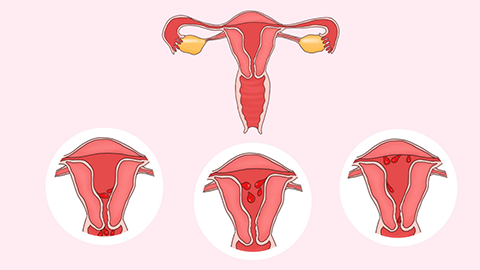
Cervical ectropion can be treated via physical modalities or pharmacotherapy. Physical therapies—such as electrocautery, laser therapy, and cryotherapy—are characterized by shorter treatment courses and high efficacy, and are typically indicated for patients with extensive ectropion or deep inflammatory infiltration. Pharmacotherapy is generally suitable for those with mild, superficial lesions; treatment usually begins after menstruation ends and continues for one month, concluding upon the onset of the next menstrual period.

In daily life, maintain a balanced and regular diet—avoid spicy, irritating, or overly rich foods, and refrain from binge eating or staying up late. We hope this information proves helpful.


