


Quick Methods to Stop Nosebleeds

Many people experience nosebleeds (epistaxis) in daily life—especially when the bleeding occurs unexpectedly or without an obvious cause, or when the volume of blood seems excessive. Such episodes often provoke fear and anxiety, either due to concerns about underlying health problems or insufficient understanding of nosebleeds. So, what are effective methods for rapid nosebleed control?
Effective Methods for Rapid Nosebleed Control
Nasal packing is a commonly used technique for rapid hemostasis in cases of epistaxis. Applying firm, direct pressure to the soft part of the nostrils (the nasal wings) with the fingers can effectively stop bleeding by compressing capillaries and reducing their dilation—this method typically achieves rapid hemostasis. Under medical supervision, oral sedatives may also be prescribed to help reduce anxiety and vascular permeability, thereby aiding hemostasis—particularly in cases where increased capillary permeability contributes to bleeding.
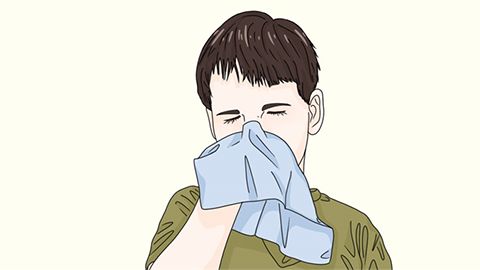
Nosebleeds may result from excessively dry nasal mucosa or prolonged exposure to overly dry environments. Other possible causes include frequent nose-picking or allergic rhinitis—both of which can lead to capillary rupture and subsequent epistaxis. To identify the precise underlying cause, it is advisable to consult a reputable hospital for nasal endoscopy. If dryness is the primary cause, routine nasal irrigation with normal saline can help reduce inflammation and alleviate discomfort. Allergic rhinitis is often triggered by airborne allergens such as pollen or animal dander, and may present with symptoms including nasal congestion, a sensation of nasal fullness, and epistaxis.
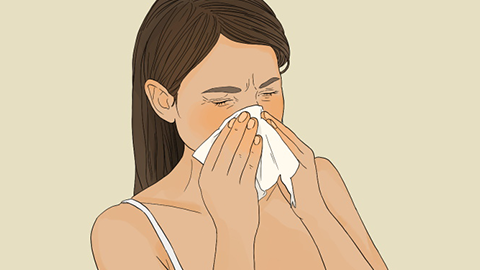
When outdoors, wearing a mask helps minimize exposure to airborne irritants and pollutants, thereby reducing nasal irritation and discomfort. Avoid repeatedly picking your nose, as fingernails can easily damage delicate nasal capillaries.


