


What should I do if I experience nosebleeds due to staying up late and “internal heat”?

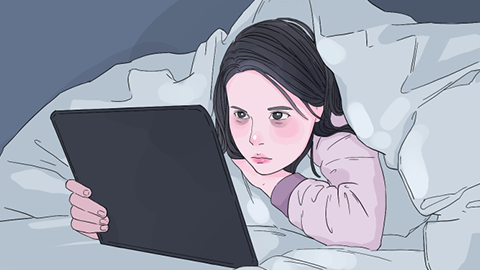
Many people experience nosebleeds (epistaxis) in daily life—especially when the bleeding occurs unexpectedly or without an obvious cause, and when the volume of blood seems excessive. Such episodes often provoke fear and anxiety, either due to concerns about underlying health problems or insufficient understanding of nosebleeds. So, what should one do if nosebleeds occur as a result of staying up late and developing “internal heat” (a traditional Chinese medicine concept referring to excessive internal fire or inflammation)?
What to Do for Nosebleeds Caused by Staying Up Late and Internal Heat
To stop nosebleeds caused by staying up late and internal heat, apply immediate first-aid measures: quickly pack the nasal cavity with sterile gauze or a cotton ball, or firmly pinch the soft part of the nose with your fingers for 10–15 minutes. This helps prevent prolonged or recurrent epistaxis and potential complications such as anemia. Once bleeding has stopped, avoid staying up late or engaging in other fatigue-inducing behaviors. Instead, establish regular, healthy sleep habits and improve overall sleep quality to alleviate excessive fatigue. Monitor closely for recurrence. If nosebleeds reappear or become frequent, consult a physician to identify the underlying cause.
In most cases, the bleeding site stems from dryness and erosion of the nasal mucosa—commonly located in Kiesselbach’s plexus (also known as Little’s area), situated at the anterior-inferior portion of the nasal septum. This region is highly vascularized and thus particularly prone to rupture, ulceration, and bleeding. Typically, the volume of bleeding is modest, and most patients can achieve hemostasis through simple digital pressure. However, if bleeding is heavy or persistent, prompt medical evaluation is essential to detect active bleeding sites; if necessary, minimally invasive treatments—including laser cauterization—may be recommended.
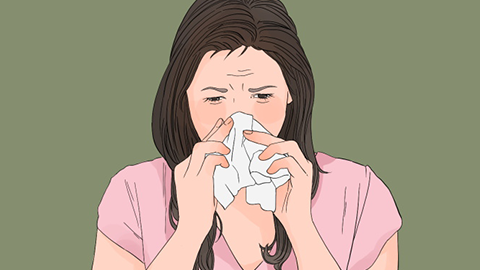
Staying up late easily triggers internal heat, which in turn predisposes individuals to epistaxis. Under a physician’s guidance, oral medications with heat-clearing (fire-purging) properties may be prescribed to alleviate symptoms. During treatment, maintaining adequate hydration supports therapeutic efficacy. We hope this information proves helpful.


