


What should I do if my nosebleed won’t stop?

Nosebleeds (epistaxis) are one of the most common nasal inflammatory conditions. Their primary characteristic is the sudden outflow of blood—either as blood-tinged discharge or a sudden gush of blood—from the anterior nares, which may occur unilaterally or bilaterally. Nosebleeds can affect individuals of all age groups and may be associated with underlying systemic diseases that impact overall health. So, what should you do if a nosebleed won’t stop?
What to Do If a Nosebleed Won’t Stop
If a nosebleed occurs, the following measures can help control bleeding:
- Cold compress: Apply an ice pack or a cold, damp towel to the forehead and neck, or rinse your mouth with cold or ice water. Cold-induced vasoconstriction helps reduce bleeding.
- Nasal compression: Gently pinch the soft, fleshy part of the nostrils (the nasal alae) using your thumb and index finger for approximately 10 minutes. Avoid stuffing tissues or cotton balls into the nostrils, as this is ineffective for achieving hemostasis.
- Proper positioning: While applying pressure to the nasal alae, sit upright with your head slightly forward—not tilted backward—to allow blood to drain from the mouth rather than flow backward into the throat. Tilting the head back may cause blood to be inadvertently swallowed, potentially irritating the gastrointestinal tract and triggering nausea or vomiting; in cases of heavy bleeding, aspiration may also occur.

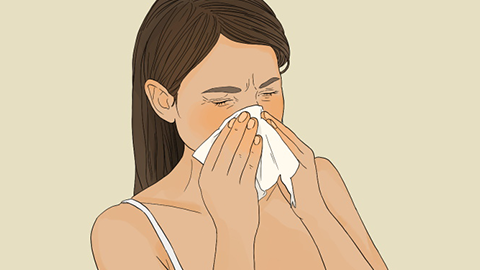
Many people worry about the underlying causes of nosebleeds. In fact, these causes fall broadly into two categories: physiological and pathological. If the nosebleed results from physiological factors (e.g., dry air, minor trauma), simple interventions such as applying a cold towel to the forehead or using fresh cabbage root juice may suffice. However, if it stems from a pathological condition (e.g., hypertension, coagulopathy, nasal tumors), targeted medical treatment is strongly recommended for optimal outcomes. When nosebleeds occur, many individuals instinctively reach for toilet paper or tissues—but this approach is incorrect and ineffective.
In daily life, maintaining healthy lifestyle and dietary habits is essential. We hope this information proves helpful to you.


