


What Causes Frequent Nosebleeds?
Aug 11, 2022
Source: Cainiu Health

Dr. Xu Gang
Introduction
Frequent nosebleeds may be caused by sinusitis, nasal polyps, or cardiovascular diseases. Sinusitis can lead to epistaxis (nosebleeds). Nasal polyps are a common nasal disorder, typically occurring in the maxillary and ethmoid sinuses; their presence may also cause nosebleeds. Cardiovascular-related epistaxis is often associated with hypertension and usually involves profuse bleeding from the posterior nasal cavity.
In daily life—especially during hot, humid summers—many people experience recurrent nosebleeds (epistaxis). Although these episodes can often be temporarily controlled or alleviated, patients frequently do not know how to properly treat the underlying cause. This uncertainty often leads to significant psychological distress, as individuals worry whether the nosebleeds signal a more serious medical condition. So, what causes frequent nosebleeds?
What Causes Frequent Nosebleeds?
Frequent nosebleeds may stem from various conditions, including sinusitis, nasal polyps, or cardiovascular disorders. Sinusitis can irritate and inflame the nasal mucosa, potentially leading to bleeding. Nasal polyps—common benign growths in the nasal cavity—are frequently found in the maxillary and ethmoid sinuses; their presence may erode local blood vessels and trigger epistaxis. Cardiovascular-related nosebleeds are often associated with hypertension: elevated blood pressure can cause profuse posterior epistaxis (bleeding from the posterior nasal cavity), typically accompanied by markedly increased systolic and/or diastolic blood pressure. Even mild external pressure on the nose may provoke sudden, severe bleeding in such cases.
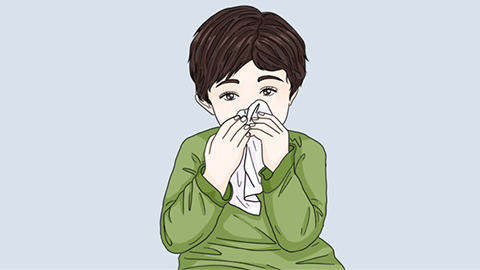
Nosebleeds occur when capillaries or mucosal tissues within the nasal cavity rupture. Therefore, prompt evaluation by an otolaryngologist—including nasal endoscopy—is essential. A complete blood count (CBC) and other relevant laboratory tests can help identify potential contributing factors (e.g., coagulopathy, infection, or systemic disease). Once diagnosed, targeted treatment can be initiated. Initial first-aid measures include applying gentle pressure with clean tissue or cotton pledgets to control bleeding. In cases of acute, heavy bleeding, immediate medical evaluation is necessary to locate and manage any active bleeding site.
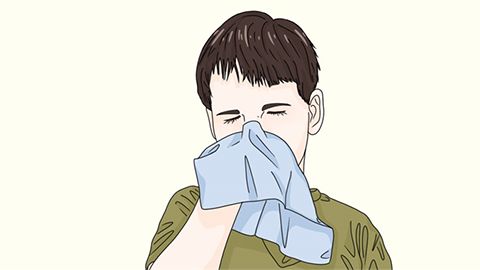
In daily life, individuals should consume ample fresh vegetables and fruits to ensure adequate vitamin intake—particularly vitamins C and K—which support healthy nasal mucosa. After appropriate medical treatment, recurrent epistaxis can often be effectively prevented. Patients should avoid habitual nose-picking and maintain indoor humidity at an optimal level (ideally 40–60%). We hope this information proves helpful.


