


How is rhinitis treated in children?

If a child’s common cold is not treated promptly—or if the child is exposed to allergens or other triggering factors—the condition may progress to rhinitis. Rhinitis commonly causes unpleasant symptoms such as nasal discharge and headache, and tends to recur; therefore, timely treatment is essential. So, how is rhinitis treated in children?
How Is Rhinitis Treated in Children?
Rhinitis in children can be managed using isotonic saline nasal irrigation, antihistamines, or intranasal corticosteroids. However, rhinitis associated with chronic sinusitis, adenoid hypertrophy, allergic constitution, or gastroesophageal reflux disease (GERD) is more challenging to treat. In such cases, identifying the underlying cause is crucial, and targeted therapy under professional medical guidance is necessary to improve cure rates. For example, acid-suppressing medications may be prescribed for GERD-related rhinitis, while surgical intervention may be required for significant adenoid hypertrophy.
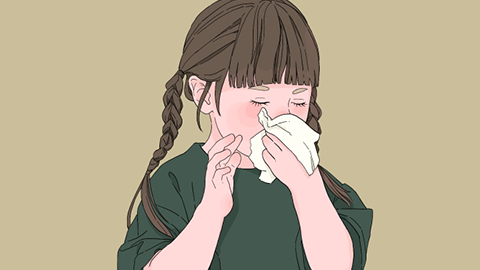
During acute rhinitis episodes, topical treatments such as oxymetazoline hydrochloride nasal spray may be used. Additionally, oral decongestants like ephedrine or dibencozide may be administered. Children with rhinitis often require comprehensive treatment including antibiotics and systemic corticosteroids; for severe headache, ibuprofen may be prescribed.
Parents of children with rhinitis should closely monitor weather changes, dress their children appropriately to prevent colds, and avoid taking them to crowded public places or areas with abundant pollen-producing plants. We hope this information is helpful to you.


