


How to distinguish laryngeal cancer from pharyngitis

Both laryngeal cancer and pharyngitis affect the throat region, and some patients may find it difficult to distinguish between the two—potentially leading to misdiagnosis and inappropriate treatment. So how can one differentiate laryngeal cancer from pharyngitis?
How to Differentiate Laryngeal Cancer from Pharyngitis
In general, differentiation between laryngeal cancer and pharyngitis can be made based on etiology, clinical symptoms, and anatomical location. A detailed analysis follows:
1. Etiology
Laryngeal cancer is a malignant tumor of the larynx. Its exact cause remains unclear but is generally associated with risk factors such as excessive smoking, chronic alcohol consumption, and viral infection. In contrast, pharyngitis is primarily an inflammatory condition of the pharynx caused by viral or bacterial infection.
2. Symptoms
Typical symptoms of laryngeal cancer include hoarseness, dyspnea (difficulty breathing), dysphagia (difficulty swallowing), and cervical lymphadenopathy (swollen neck lymph nodes). Pharyngitis commonly presents with sore throat, cough, nausea, and—in more severe cases—dysphagia and halitosis (bad breath).
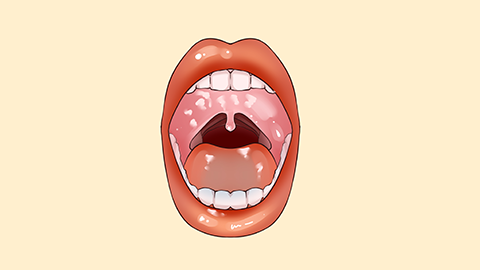
3. Anatomical Location
Laryngeal cancer lesions predominantly occur on the vocal cords and surrounding tissues, often accompanied by bone destruction in adjacent structures and regional lymph node metastasis. In contrast, pharyngitis involves inflammation localized to the mucosa of the pharynx.
Laryngeal cancer is a common malignant tumor of the larynx. During its progression, it may recur, advance, or metastasize—and in severe cases, pose a serious threat to the patient’s health. Pharyngitis, by contrast, is an inflammatory condition affecting the pharyngeal mucosa: acute pharyngitis responds well to anti-inflammatory therapy, while chronic pharyngitis can be managed symptomatically without compromising overall health. When relevant symptoms arise, patients should maintain a positive mental outlook and seek timely, appropriate treatment. We hope this information proves helpful!


