


Nausea at 38 weeks of pregnancy—is it a sign of labor?

For pregnant women, everything during pregnancy is important—especially as delivery approaches. This period represents a critical and pivotal stage in the entire pregnancy, requiring careful attention from the expectant mother. So, does nausea at 38 weeks of pregnancy indicate imminent labor?
Does nausea at 38 weeks of pregnancy signify impending labor?
Nausea or vomiting occurring at 38 weeks of gestation does not necessarily indicate that labor is imminent. Such symptoms may stem from gastrointestinal discomfort or be influenced by hormonal fluctuations typical of pregnancy, which can trigger nausea and vomiting. At 38 weeks, true pre-labor signs—such as bloody show (light vaginal bleeding), regular uterine contractions, or fetal descent—suggest that delivery may soon begin. For instance, if you notice vaginal spotting, contractions, or a sensation of the baby “dropping” lower into the pelvis, and subsequently experience recurrent abdominal pain, it’s advisable to head to the hospital to prepare for delivery. However, women experiencing only nausea—without vomiting—may first observe their symptoms closely and prioritize rest, monitoring whether the nausea subsides.
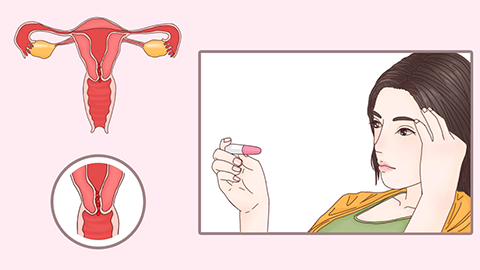
This nausea could also reflect an underlying gastric issue—for example, acute gastritis—which commonly causes nausea and vomiting. Alternatively, it might result from consuming contaminated food. In either case, such nausea is generally unrelated to labor onset. Typically, the most common early sign of labor is abdominal pain accompanied by the passage of small amounts of blood-tinged vaginal discharge (bloody show). Some women may also experience abdominal tightness, hardness, or discomfort—but at this stage, the pain is usually irregular rather than rhythmic.
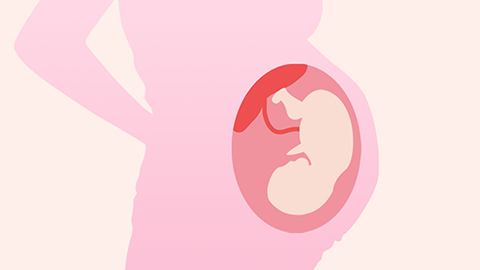
In daily life, maintain a regular, balanced diet; avoid spicy, irritating, or overly rich foods; refrain from overeating; and ensure adequate sleep—avoiding late nights. We hope this information proves helpful.


