


What should elderly individuals with hypotension and hypoalbuminemia eat?

In real life, some elderly individuals develop hypotension—a condition characterized by abnormally low blood pressure—due to aging or poor dietary habits. This can cause significant adverse symptoms and severely impact their health, necessitating prompt treatment.
What Should Elderly Individuals with Hypotension and Hypoproteinemia Eat?
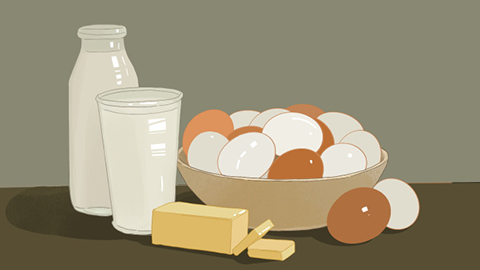
Elderly individuals with hypotension and low protein levels should consume more lean meats, eggs, and fresh fruits to help increase blood volume. They should also increase intake of animal-derived proteins—such as egg whites and milk—as well as plant-based proteins, particularly soy products like tofu and soy milk, which are excellent sources of protein. Patients are advised to visit a hospital for comprehensive evaluation to rule out other underlying conditions that may cause hypotension. The most common causes include cardiovascular diseases—such as cardiac insufficiency and heart failure—which can lead to decreased blood pressure. A cardiology consultation is essential, and blood glucose levels should also be assessed.
Additionally, if follow-up blood pressure readings fall below 90/60 mmHg, the patient must remain in bed and avoid strenuous activity. A complete blood count (CBC) should be performed to assess for anemia and identify potential causes of hypotension. It is also important to exclude malignancy-related hypotension.

Patients are strongly encouraged to initiate effective treatment promptly and pay close attention to dietary hygiene to prevent unnecessary complications. We hope this information proves helpful.


