


Nausea after taking progesterone tablets

Increasing numbers of people are now experiencing gastrointestinal disorders. Some individuals feel nauseous after meals, which may be due to impaired gastric motility. Appropriate physical exercise, digestive aids, and acupressure massage targeting specific points can help promote digestion and effectively alleviate such discomfort. So, does taking progesterone tablets cause nausea?
Nausea After Taking Progesterone Tablets
Progesterone tablets may induce nausea as a side effect. Clinically, they are primarily used to treat conditions such as dysmenorrhea, endometriosis, and menstrual irregularities. They are also employed in managing threatened or habitual abortion caused by progesterone deficiency, as well as infertility resulting from luteal phase insufficiency. Following administration, various adverse reactions may occur. Some patients may experience psychological symptoms—including depression and anxiety—while certain women may notice breast tenderness or swelling. This medication is contraindicated in women with known hypersensitivity to it; likewise, it should not be used if unexplained vaginal bleeding occurs after taking the drug.
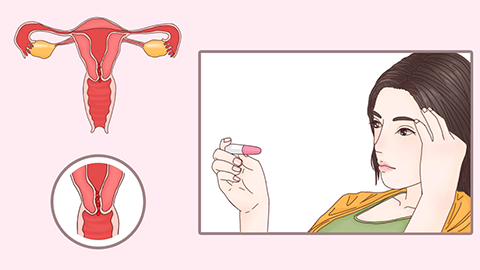
Prior to initiating therapy, patients should consult their physician to assess potential drug interactions. Progesterone tablets contain natural progesterone and are widely utilized in clinical practice—for regulating menstrual cycles and supporting pregnancy in women with threatened miscarriage. Generally, oral dydrogesterone tablets do not commonly cause nausea; however, individual responses vary, and some women may still experience nausea or other adverse effects.

Whether taken for fetal protection or menstrual cycle regulation, dydrogesterone tablets may cause discomfort during treatment. During therapy, patients should consume light, easily digestible foods and avoid cold, spicy, or otherwise irritating foods. We hope this information proves helpful to you.


