


Manifestations of Yin deficiency with internal heat

Many people today mistakenly attribute symptoms of yin deficiency and internal heat to “excessive fire” (a common TCM concept referring to inflammatory or hyperactive conditions). Yin deficiency with internal heat is a syndrome caused by insufficient yin fluids in the body, resulting in an inability of yin to counterbalance yang—thus leading to pathological heat. So, what are the manifestations of yin deficiency with internal heat?
Manifestations of Yin Deficiency with Internal Heat
Patients with yin deficiency and internal heat may experience tidal fever (fever that comes and goes, often worse in the afternoon or evening), night sweats, heat sensations in the palms and soles, as well as thirst, excessive alcohol consumption, and dark yellow urine. Causes of yin deficiency and internal heat are varied: they may stem from chronic sleep deprivation and overwork, or from excessive sexual activity coupled with inadequate physical care and nourishment. For mild cases, treatment may include consuming goji berries (Lycium barbarum), preferably taken after meals. If symptoms are severe and significantly impair daily life or work performance, systematic treatment with traditional Chinese herbal decoctions is recommended. Among ready-made Chinese patent medicines, patients with yin deficiency and internal heat may consider taking Liu Wei Di Huang Wan (Six-Ingredient Rehmannia Pill) or Zhi Bai Di Huang Wan (Anemarrhena and Phellodendron Rehmannia Pill).
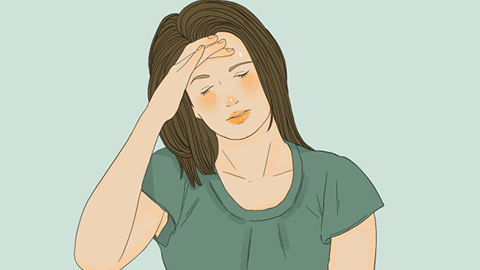
Yin deficiency with internal heat primarily arises from depletion of yin fluids, leading to inadequate moistening and nourishment of tissues and organs. Etiological factors include high fever or certain febrile illnesses that damage yin fluids; chronic diseases that progressively consume yin over time; emotional disturbances such as prolonged depression, excessive irritability, or uncontrolled anger; ingestion of overly warming or drying substances—including large amounts of spicy, greasy foods or herbs with a warm-dry nature; and excessive sexual activity or seminal emission, which depletes yin essence. Such depletion reduces the body’s capacity for nourishment and may result in symptoms including tidal fever, spontaneous or night sweating, insomnia, vivid dreams, weakness and soreness in the lower back and knees, heat sensations in the palms, soles, and chest (“five centers”), and night sweats.

Once patients develop any of the above symptoms, they should seek medical attention promptly to ensure early detection, accurate diagnosis, and timely treatment—thereby optimizing therapeutic outcomes. We hope this response has been helpful to you.


