


Can patients with yin deficiency and hyperactive fire take Liu Wei Di Huang Wan?
Aug 12, 2022
Source: Cainiu Health

Dr. He Haochen
Introduction
Patients with yin deficiency and hyperactive fire may take Liu Wei Di Huang Wan. As Liu Wei Di Huang Wan is a herbal formula that nourishes kidney yin, and according to Traditional Chinese Medicine (TCM) theory, yin deficiency leads to internal heat; thus, replenishing the body’s yin fluids helps clear and reduce deficient fire. If symptoms such as heat in the palms and soles are prominent—accompanied by irritability, insomnia, and night sweats—Zhi Bai Di Huang Wan is recommended for treatment.
After many years of marriage, the desire to have children remains unfulfilled. Following various medical examinations, the issue is found to lie with the male partner—specifically, diminished fertility caused by kidney deficiency.
At this point, numerous products attract attention, especially Liu Wei Di Huang Wan (Rehmannia Six Formula), which has been traditionally regarded as a miraculous remedy.
So, can individuals with yin deficiency and hyperactive fire take Liu Wei Di Huang Wan?
Can individuals with yin deficiency and hyperactive fire take Liu Wei Di Huang Wan?
Yes, individuals with yin deficiency and hyperactive fire may take Liu Wei Di Huang Wan. This formula primarily nourishes kidney yin. According to Traditional Chinese Medicine (TCM) theory, yin deficiency gives rise to internal heat; thus, replenishing the body’s yin fluids helps clear and reduce deficient fire. If symptoms such as heat in the palms and soles are prominent—accompanied by irritability, insomnia, or night sweats—Zhi Bai Di Huang Wan (Anemarrhena and Phellodendron Rehmannia Pill) is recommended instead. Additionally, for lean elderly patients, Zuo Gui Wan (Left-Returning Pill) may be selected, as it nourishes the liver and kidneys and replenishes essence and marrow.
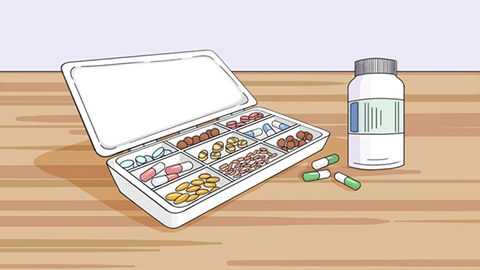
Yin deficiency with hyperactive fire primarily stems from kidney yin deficiency. Consequently, the most common clinical manifestations include soreness and weakness in the lower back, general fatigue, and exhaustion. As yin deficiency worsens, deficient fire becomes more pronounced. Patients may therefore experience dry eyes, dry mouth, bitter taste, tidal fever, night sweats, “five-center heat” (heat sensation in the palms, soles, and chest), or oral or tongue discomfort. When this imbalance affects normal urinary metabolism, patients may develop dark yellow or reddish urine, and even experience localized pain or dribbling during urination.
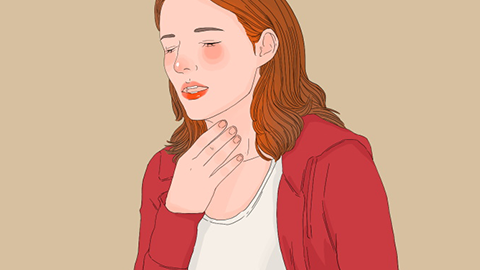
Once any of the above symptoms appear, patients should seek medical attention promptly to ensure early detection, accurate diagnosis, and timely treatment—thereby optimizing therapeutic outcomes. We hope this information proves helpful to you.


