


Why does my baby experience dry heaving when having a cold?

A baby’s gastrointestinal system is very delicate, making them prone to discomfort in daily life. Dry heaving (retching without vomiting) during a cold is a common occurrence in infants. When this happens, prompt treatment is essential to prevent complications affecting other organs and to safeguard the baby’s healthy growth and development. So, what causes dry heaving in babies with colds?
What Causes Dry Heaving in Babies with Colds?
When a baby has a cold accompanied by vomiting or dry heaving, it is often due to inflammatory reactions in the throat. Throat inflammation can trigger nausea and vomiting upon ingestion of any food or liquid. Thus, when a baby catches a cold, it commonly induces an inflammatory response in the upper respiratory tract—particularly in the throat—which is especially prone to provoking nausea and vomiting. Upper respiratory infections—including the common cold—can therefore lead to throat inflammation.
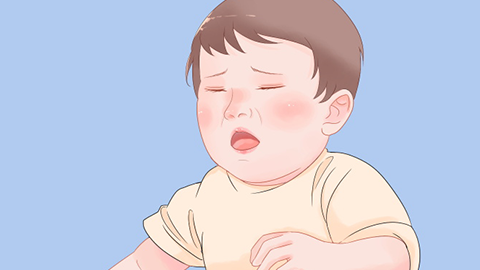
For children experiencing cold symptoms along with nausea and vomiting, the first priority is to encourage gentle feeding. Offer foods the baby is willing to eat; liquids and semi-liquids are generally better tolerated. If a child feels nauseous or vomits during a cold, do not force-feed them foods they refuse. Forcing a sick, vomiting baby to consume disliked foods may further aggravate nausea and vomiting. Therefore, it is critically important not to pressure a baby to eat when they have a cold and are vomiting.
In daily life, maintain regular, balanced meals—avoid spicy, irritating, or overly rich foods, and refrain from overeating or staying up late. We hope this information proves helpful.


