


Is gagging in a 4-month-old baby due to calcium deficiency?

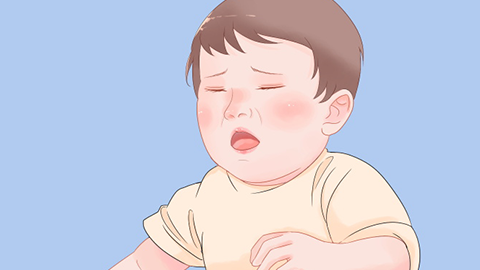
If a baby exhibits vomiting but is unable to actually expel stomach contents, this is known as dry heaving (retching). Occasional episodes—once or twice—can be considered relatively normal. However, if dry heaving occurs more than four times per day or persists for over one week, parents should take this seriously and consult a pediatrician promptly. So, could dry heaving in a 4-month-old baby be due to calcium deficiency?
Is Dry Heaving in a 4-Month-Old Baby Caused by Calcium Deficiency?
Dry heaving in a 4-month-old baby is not caused by calcium deficiency. When bottle-feeding, an excessively fast milk flow rate may cause the baby to feed too rapidly, leading to gastrointestinal discomfort and subsequent dry heaving. For breastfeeding mothers, using a “scissor hold” technique can help regulate milk flow. For formula-fed infants, the bottle nipple hole should be appropriately small—ideally allowing milk to drip at a rate of approximately one drop per second—to prevent rapid feeding and associated dry heaving. Additionally, during a cold, increased nasal mucus production may drain into the throat when the baby lies flat, irritating the pharynx and triggering dry heaving. Timely treatment of the cold is therefore essential.

Because their gastrointestinal systems are still immature, 4-month-old babies are prone to indigestion. When indigestion occurs, delayed gastric emptying places pressure on the gastric wall, potentially resulting in dry heaving. In some cases, abdominal chilling or exposure to cold may impair gastrointestinal motility and function, also contributing to dry heaving. In such instances, reducing feeding frequency and encouraging increased fluid intake may help alleviate symptoms and support recovery.
Maintaining healthy daily living and dietary habits is important. We hope this information has been helpful.


