


What disease might sudden nosebleeds indicate?

Nosebleeds (epistaxis) are often the initial symptom of serious underlying conditions. Sudden, unexplained nosebleeds can provoke significant anxiety in patients, who may worry about what disease this could signal. So, what illnesses might sudden nosebleeds herald?
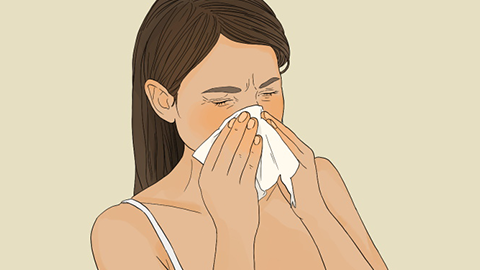
What illnesses might sudden nosebleeds herald?
In general, sudden nosebleeds may be an early sign of conditions such as trauma, allergic rhinitis, or nasal polyps. Patients are advised to seek prompt medical evaluation at a hospital so that a qualified physician can make an accurate diagnosis; only then can targeted treatment be initiated. A detailed analysis follows:
1. Trauma
If nasal protection is neglected during daily activities—or if the nose sustains direct injury—subcutaneous soft tissues and capillaries may rupture, resulting in epistaxis. Applying firm pressure with the index finger and thumb to both sides of the nasal alae (nostrils) usually achieves effective hemostasis.
2. Allergic Rhinitis
Sudden nosebleeds may result from exposure to allergens, triggering a hypersensitivity reaction. Treatment should be guided by a physician and may include medications such as cetirizine hydrochloride tablets, loratadine tablets, or emedastine fumarate nasal drops.
3. Nasal Polyps
Sudden epistaxis may also occur when chronic inflammation irritates the nasal mucosa over time, leading to the formation of nasal polyps. Bleeding may accompany polyp rupture. A nasal endoscopy is required for definitive diagnosis; once confirmed by a physician, minimally invasive surgical removal may be recommended.
Beyond these causes, sudden nosebleeds may occasionally signal leukemia. Patients must undergo comprehensive evaluation at a reputable medical facility and receive condition-specific treatment based on the underlying etiology.


