


What should I do if I experience anal swelling and pain after a vaginal delivery?

In fact, anal dilation and pain have numerous underlying causes, most of which stem from disease. Anal distension and discomfort can also be highly complex; therefore, it is essential to pay close attention to such symptoms in daily life. During treatment, identifying the precise cause is the first and most critical step. So, what should be done if a woman experiences anal distension and pain after vaginal delivery?
Management of Postpartum Anal Distension and Pain Following Vaginal Delivery
The management of postpartum anal distension and pain following vaginal delivery must be individualized based on the patient’s specific clinical presentation. During vaginal delivery, increased intra-abdominal pressure—exerted to expedite fetal expulsion—significantly elevates pressure within the anal canal region. If anal distension and pain occur postpartum, hemorrhoidal disease or anal fissures may be present; thus, prompt medical evaluation is essential to determine the exact nature and severity of the lesion. In cases of hemorrhoids, warm-water sitz baths—or saline sitz baths—under physician guidance are recommended. Such sitz baths effectively alleviate local edema and pain. Following sitz baths, hemorrhoidal suppositories or ointments may be administered rectally under medical supervision. Additionally, bed rest is advised to help reduce local swelling and discomfort.
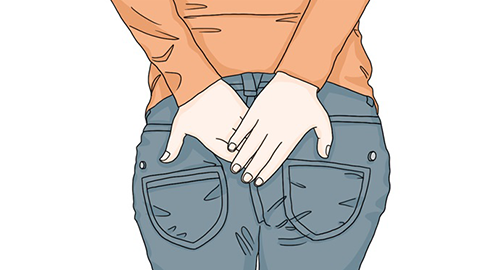
Conservative management can also effectively relieve postpartum anal distension and pain. This primarily involves dietary counseling to promote a balanced, high-fiber diet, thereby ensuring regular, soft bowel movements. Topical application of medications—such as diclofenac sodium gel or ibuprofen gel—to the affected area, combined with sitz baths and proper wound care, helps alleviate localized pain and facilitates wound healing.
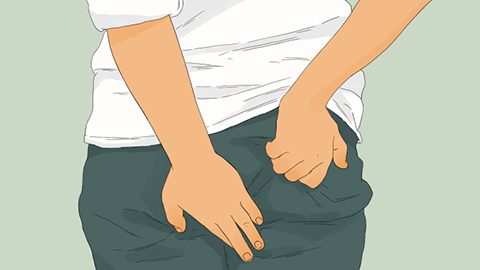
In daily life, patients should maintain a positive mindset, actively cooperate with their physicians during treatment, take prescribed medications regularly and in the correct dosage, and adhere to appropriate self-care practices—so that clinical improvement occurs as rapidly as possible. We hope this information proves helpful to you.


