


What should I do for anal inflammation, swelling, and pain?

Swelling around the anus is likely due to hemorrhoids, which are commonly caused by unhealthy lifestyle habits. Excessive consumption of spicy foods (e.g., chili peppers), lack of physical activity, prolonged sitting, and chronic constipation can all contribute to hemorrhoid development. External application of Ma Ying Long Musk Hemorrhoid Ointment may be used for symptomatic relief. In daily life, it is advisable to consume more vegetables and fruits to foster healthy bowel habits. But what should one do if the anus becomes inflamed, swollen, and painful?
What to Do for Anal Inflammation, Swelling, and Pain
Systemic anti-inflammatory treatment is indicated for anal inflammation, swelling, and pain. Hemorrhoids and anal fissures are common causes. Intravenous administration of broad-spectrum penicillins or cephalosporins is often appropriate; metronidazole injection may be added when necessary. Additionally, maintaining perianal hygiene is essential. Warm saline sitz baths can help alleviate symptoms locally. For severe pain, oral analgesics—such as acetaminophen with codeine tablets—may be prescribed. During treatment, attention should be paid to diet: avoid overeating or binge eating; instead, opt for liquid or easily digestible foods, and maintain regular, timely bowel movements. After each bowel movement, the perianal area should be cleaned promptly. In severe cases, surgical intervention may be required to remove hemorrhoids or repair anal fissures, followed by intermittent wound dressing changes postoperatively.
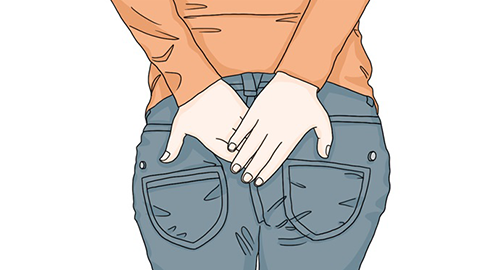
If local swelling is severe—or especially if fluctuation is present—perianal abscess is likely already established, requiring prompt referral to a general surgery or proctology department for surgical management. Most patients undergo incision and drainage of the perianal abscess under epidural or caudal anesthesia, followed by regular wound care. Patients should avoid excessive physical activity during recovery.
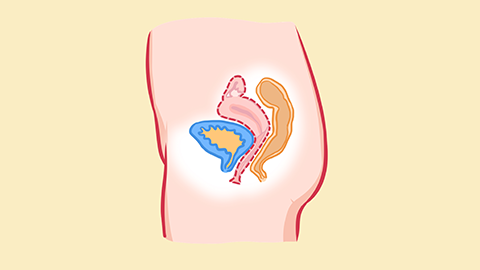
In daily life, maintain a disciplined diet: avoid spicy and irritating foods, refrain from overeating or binge eating, and prevent late-night sleep deprivation. We hope this information proves helpful.


