


What Causes Anal Pain?

Although people’s quality of life continues to improve, their physical health has declined compared to the past. Dietary issues have led many individuals to experience various uncomfortable symptoms—such as anal dilation. If left unaddressed, anal dilation may cause significant discomfort and complications in the future; therefore, prompt intervention is essential. So, what causes anal pain?
What Causes Anal Pain?
Anal pain may result from anal pathology or localized inflammation. When pathological changes occur in the anal region, swelling and pain often follow. Typically, this is a localized condition—meaning the anus itself undergoes pathological changes, leading to pronounced pain, especially during defecation. Similarly, localized inflammation or obvious anatomical abnormalities in the anorectal area can also cause swelling and pain in the anal region.
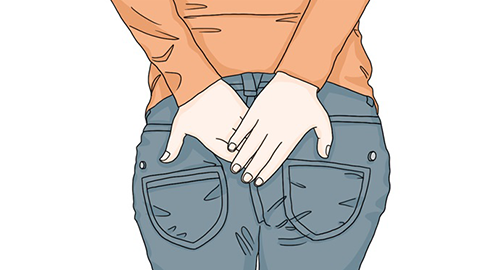
Anal pain is primarily attributable to impaired intestinal motility; thus, patients should rise regularly and engage in physical exercise. Prolonged sitting or standing should be avoided, and adequate rest should be prioritized in daily life. Drinking ample warm water helps cleanse the intestines; maintaining regular bowel movements naturally alleviates anal pain. Additionally, cultivating sound hygiene habits—such as frequently changing undergarments and cleaning the anal area daily—helps prevent bacterial proliferation and reduces anal discomfort. If conservative measures fail to relieve symptoms, timely medical consultation is crucial. Under a physician’s guidance, appropriate pharmacotherapy or surgical intervention may be recommended. While such treatments typically yield rapid improvement, recurrence remains possible.
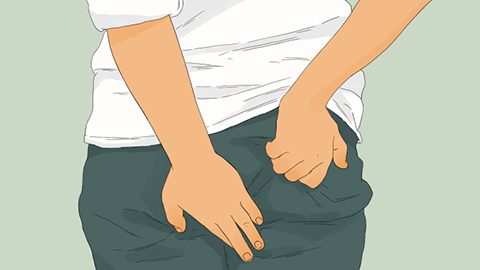
In daily life, patients should maintain a positive mindset and adhere to proper self-care practices to facilitate prompt recovery. We hope this information proves helpful.


