


How do you know when mumps has resolved?

The parotid gland is the largest salivary gland in the human body and plays a vital role in maintaining health. In daily life, many individuals frequently develop bacterial or viral infections of the parotid gland due to various causes, leading to parotitis. Consequently, mumps—a highly prevalent infectious disease in everyday life—remains common. So, how do we determine when parotitis has resolved?
How Do We Know Parotitis Has Resolved?
Resolution is indicated by the absence of swelling in the parotid region, normal serum and urinary amylase levels, and restoration of white blood cell (WBC) and neutrophil counts to baseline values. In cases of parotitis, serum and urinary amylase levels typically rise; during the acute phase, both WBCs and neutrophils increase. Swelling of the parotid gland occurs in both viral and bacterial forms of parotitis. Therefore, successful treatment results in normalization of clinical signs and relevant laboratory parameters.
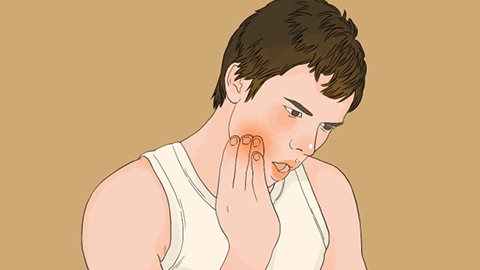
Parotitis is a common inflammatory disorder affecting the soft tissues of the parotid gland in daily life. The clinical criterion for cure is the complete resolution of swelling and pain in the parotid soft tissues. Additionally, the parotid duct orifice should show no signs of erythema, swelling, or congestion, and its secretions should be clear. From an imaging perspective, color Doppler ultrasound or parotid CT scans reveal no enlargement of the gland and no stenosis or obstruction of the parotid duct. Complete blood count (CBC) demonstrates normal WBC and lymphocyte counts, while C-reactive protein (CRP) and amylase levels have returned to normal.
In daily life, maintain regular dietary habits—avoid spicy, irritating, or overly rich foods, refrain from binge eating, and ensure adequate rest by avoiding late-night activities. We hope this information proves helpful.


