


What should I do if I experience tinnitus after clubbing?
Aug 12, 2022
Source: Cainiu Health

Dr. Xu Gang
Introduction
If tinnitus lasts only a short time and resolves spontaneously, it indicates that the human auditory system can self-repair. In such cases, no special attention is required—simply ensure adequate rest and avoid visiting discotheques for a short period to prevent exposure to intense sound stimuli. Music during dancing is typically very loud; excessive acoustic stimulation may adversely affect the auditory system.
Tinnitus is an ear disorder that affects hearing. After developing tinnitus, individuals experience a persistent ringing or buzzing sound in the ears, which can cause significant harm to the body. If you notice such symptoms, prompt medical treatment is essential to prevent disease progression. So, what should you do if you experience tinnitus after clubbing?
What to Do If You Develop Tinnitus After Clubbing
If the tinnitus lasts only a short time and resolves spontaneously, it suggests that the auditory system has the capacity for self-repair. In this case, no special intervention is required—simply ensure adequate rest and avoid visiting discotheques or other loud environments for a short period to prevent further acoustic trauma. Music at clubs is typically extremely loud; such intense sound exposure may adversely affect the auditory system, and many individuals report tinnitus following clubbing.
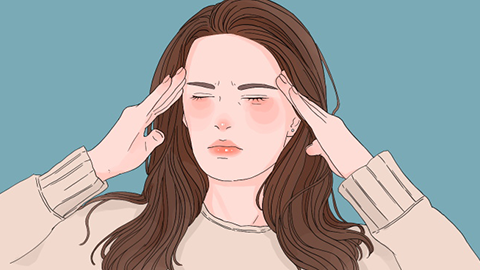
If tinnitus persists severely after clubbing and shows no marked improvement after 2–3 days of rest—or if it is accompanied by hearing loss—you should seek immediate medical evaluation and treatment at a hospital. Pure-tone audiometry is recommended to assess whether hearing loss is present and determine its severity. Appropriate pharmacological therapy should also be initiated. Treatment options include medications that improve microcirculation in the inner ear and nourish neural tissue—for example, oral ginkgo biloba extract tablets and mecobalamin tablets. In severe cases, intravenous therapy may be necessary to mitigate tinnitus, salvage residual hearing, and prevent irreversible hearing damage.
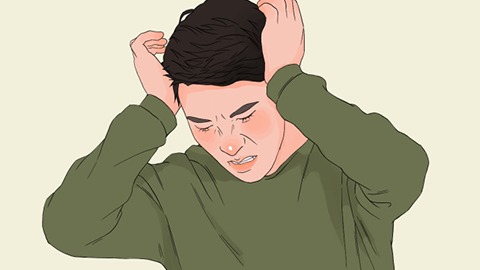
Tinnitus following clubbing warrants vigilance. In daily life, patients should actively avoid exposure to high-decibel noise environments. We hope this information proves helpful to you.



