


How thick must the endometrium be to trigger menstruation?

For unknown reasons, I haven’t had my period for the past two months, so I consulted a doctor. The doctor indicated that the issue was related to the endometrium. Therefore, I’d like to ask: How thick does the endometrium need to be for menstruation to occur?
What endometrial thickness triggers menstruation?
Generally speaking, menstruation typically begins when endometrial thickness reaches approximately 10 mm or more. However, the exact thickness required varies among individuals. The endometrium undergoes cyclical changes in parallel with ovarian activity. Under the influence of estrogen, it first enters the proliferative phase; subsequently, under the combined action of estrogen and progesterone, it transitions into the secretory phase. By the late secretory phase, endometrial thickness may reach about 10 mm and appears spongy in texture. When estrogen and progesterone levels decline, the endometrium sheds and is expelled from the vagina along with blood—this constitutes menstruation.
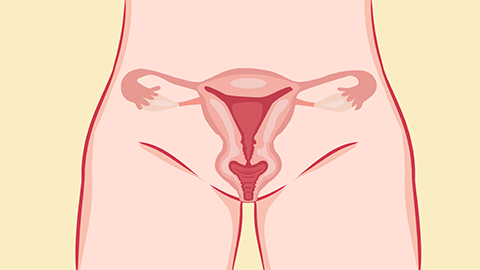
Endometrial thickness significantly influences menstruation. Excessive thickness may lead to heavier menstrual flow and prolonged periods, whereas insufficient thickness can result in scanty menses or even amenorrhea.

Under normal circumstances, hormonal regulation governs the endometrium’s impact on menstruation. A typical menstrual cycle lasts 21–35 days, with an average of 28–30 days. Variations of up to one week earlier or later than expected remain within the normal range. Naturally, endometrial growth and thickness serve as useful indicators for evaluating menstrual patterns. We hope this information proves helpful!


