


Can women with gestational diabetes consume grass jelly?

Xiancao (Mesona chinensis jelly) is a traditional specialty beverage from Fujian Province and Taiwan. It typically appears black and has a gelatinous, elastic texture similar to jelly. Xiancao is usually prepared by boiling xiancao powder or xiancao extract. Its smooth, fragrant, and sweet taste makes it a popular addition to milk tea and other beverages—especially among young people. So, can women with gestational diabetes consume xiancao jelly?
Can women with gestational diabetes consume xiancao jelly?
Women with gestational diabetes should avoid consuming xiancao jelly—not because the xiancao itself is problematic, but because the accompanying milk tea contains excessive sugar. Consuming large amounts of high-sugar foods, beverages, or fruits during pregnancy not only leads to excessive weight gain but may also cause elevated blood glucose levels, resulting in gestational diabetes mellitus (GDM). Unstable blood glucose levels during pregnancy can disrupt endocrine and metabolic functions and increase the risk of maternal organ complications—including retinopathy and nephropathy—as well as pregnancy-induced hypertension.
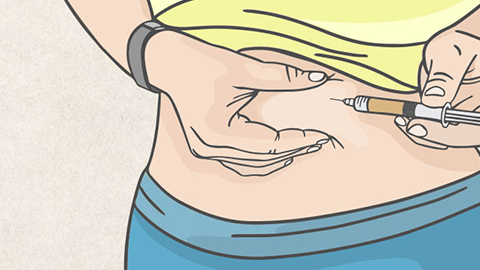
Moreover, poor glycemic control increases the risk of maternal infections, polyhydramnios (excess amniotic fluid), and fetal macrosomia. Mothers with diabetes face a significantly higher risk of delivering a macrosomic infant compared to non-diabetic mothers. This elevates risks including difficult labor, cesarean delivery, and postpartum hemorrhage.
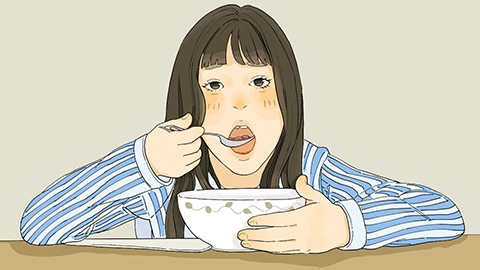
In addition to macrosomia, fetal development is also profoundly affected: intrauterine growth restriction, embryonic developmental abnormalities and miscarriage due to early-pregnancy hyperglycemia, and preterm birth during mid- or late pregnancy are all potential complications. Therefore, pregnant women should avoid excessive consumption of milk tea and maintain a balanced diet, avoiding picky or unbalanced eating habits. We hope this information is helpful to you!


