


Is redness and swelling on the foot and dorsum of the foot indicative of erysipelas?

Summer has arrived, and some people experience excessive foot sweating but fail to develop the habit of washing their feet daily. Many individuals develop athlete’s foot (tinea pedis) due to intense physical activity or wearing non-breathable footwear—a condition often linked to compromised physical health. Regardless of the underlying cause, athlete’s foot can be highly embarrassing. When athlete’s foot is accompanied by redness and swelling on the dorsum of the foot, is this erysipelas?
Is Redness and Swelling on the Dorsum of the Foot Due to Athlete’s Foot Actually Erysipelas?
Athlete’s foot and dorsal foot swelling are not synonymous with erysipelas. However, when a patient develops erysipelas, the foot typically exhibits pronounced swelling and intense pruritus (itching). Moreover, because erysipelas is highly contagious, failure to initiate prompt treatment may lead to bacterial spread and secondary infection of other organs, thereby jeopardizing overall health. Clinically, patients with athlete’s foot have a significantly higher risk of developing erysipelas compared to the general population—this is because pre-existing tinea lesions compromise skin integrity, creating an entry point for pathogenic bacteria. Nevertheless, in clinical practice, some patients with athlete’s foot present with concurrent redness and swelling on the dorsum of the foot; this may reflect a common secondary bacterial infection or localized cutaneous allergic reaction.

Therefore, when erysipelas of the foot is suspected, patients must seek timely medical evaluation and appropriate treatment at a hospital. Left untreated or allowed to progress, the condition may escalate to high-grade fever and even induce gastrointestinal symptoms such as nausea and vomiting. As erysipelas can affect any body region, delayed intervention risks systemic involvement and damage to other organs.
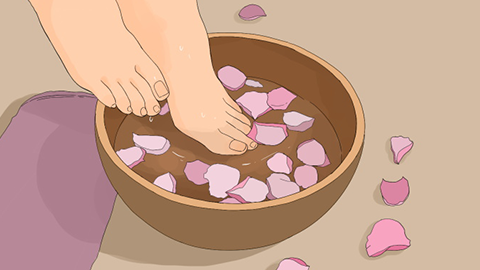
We recommend maintaining rigorous foot hygiene. Should redness and swelling appear on the dorsum of the foot, patients should promptly consult a dermatologist or surgeon at a reputable hospital. We hope this information proves helpful.


