


How to Diagnose and Differentiate Apical Periodontitis and Pulpitis

Teeth-related issues are neither trivial nor minor concerns. If we neglect oral hygiene over a prolonged period, oral diseases may develop, causing significant disruption to our daily lives. For instance, if root inflammation (apical periodontitis) occurs, eating can become extremely difficult. Therefore, maintaining good oral hygiene in everyday life is essential. But how can one accurately diagnose and differentiate between apical periodontitis and pulpitis?
How to Diagnose Apical Periodontitis and Pulpitis
Both apical periodontitis and pulpitis stem from bacterial infection of the dental pulp; however, their clinical manifestations differ. Apical periodontitis represents an advanced, progressive stage of untreated or inadequately treated pulpitis. The hallmark symptom of pulpitis is severe pain—typically spontaneous, exacerbated at night, triggered by thermal stimuli (cold or heat), and often difficult to localize. In contrast, apical periodontitis is primarily characterized by pain upon biting; during suppurative apical periodontitis, additional symptoms such as perceived tooth elongation may occur. Radiographically, the periapical region usually appears normal in pulpitis, whereas apical periodontitis shows a low-density radiolucent area around the root apex.
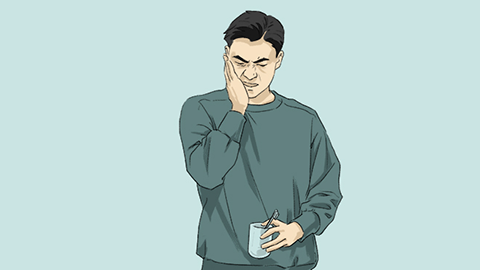
Pulpitis is an inflammatory condition affecting the dental pulp—a loose connective tissue composed mainly of nerves and blood vessels, housed within the pulp chamber inside the tooth. When deep caries, wedge-shaped defects, or other hard-tissue dental lesions are not promptly and effectively managed, pulpitis may ensue. It ranks among the most common oral diseases. Early symptoms of pulpitis include sensitivity to cold or heat and nocturnal pain; however, it often progresses to persistent, unremitting pain—indicating irreversible pulpitis.
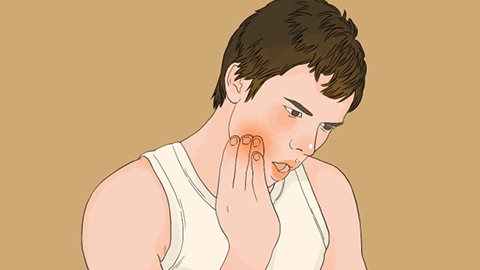
If you recognize any of these symptoms in daily life, seek timely medical evaluation and treatment, and actively cooperate with your dentist. We hope this information proves helpful to you.


